How Often Should You Schedule Pest Control Services?
Ask ten homeowners how often they call an exterminator and you’ll hear ten different answers. Some wait for ants to pour across the countertops before dialing. Others keep a recurring slot on the calendar and never see more than a stray spider. The right cadence depends on your property, your tolerance for pests, and the pressure you face from the landscape around you. I’ve managed programs for everything from downtown condos to almond farms on the outskirts of Fresno. Frequency isn’t guesswork. It’s a balance of biology, building science, and budget.
This guide walks through the factors that actually set the tempo: pest species, seasonality, construction type, sanitation, neighborhood conditions, and your threshold for risk. It also gives typical schedules for common scenarios and points out where a quarterly plan won’t cut it. Whether you rely on a pest control company year round or call an exterminator only when something bites, the goal is the same: prevent small problems from compounding into damage, contamination, or sleepless nights.
The rhythms of pests and why schedules matter
Pests don’t show up at random. They follow food, water, shelter, and breeding cycles that line up with weather patterns and human habits. In the Central Valley, cool, wet winters push rodents into structures, then spring warmth triggers ant and termite activity, and late summer heat drives cockroaches and wasps to search for moisture and shade. If your pest control service gets ahead of those swings, you’ll see fewer intrusions, use less product, and avoid emergency visits that always seem to land on weekends.
A recurring service gives a technician three advantages. First, they can time targeted treatments to intercept pests before populations spike. Second, they can monitor shifts over time: a new rub mark on a fence line, a fresh wasp flight path under an eave, gnawing on a garage weatherstrip that wasn’t there last month. Third, they can make small structural and sanitation recommendations in real time. Blocking a quarter inch gap now is worth more than trapping a family of mice later.
What “typical” looks like for most homes
For a single family home with decent sanitation and no current infestation, a quarterly exterior service with integrated interior inspections is the standard starting point. That means your pest control company treats exterior entry points, foundation perimeters, eaves, and landscape touchpoints every three months. Interior work shifts to a monitoring mode, using targeted placements only where activity suggests it.
In higher pressure environments, especially near open fields, canals, or older neighborhoods with shared walls, monthly service makes a difference. That doesn’t mean applying heavy products twelve times a year. It means shorter, focused visits that maintain barriers, refresh baits, and adapt to what’s happening on your block. In many Fresno neighborhoods, I’ve seen the delta between quarterly and monthly show up in call-backs during August and September when Argentine ants switch food preferences with heat and moisture changes. Monthly service cuts the reactive calls in half, sometimes more.
Pest species drive cadence more than anything else
Not all pests move at the same pace. The species in play usually dictates how often you should see your exterminator.
Ants: Argentine ants dominate the Central Valley, forming massive supercolonies. They can pivot from protein to carbohydrate feeding within days, and their satellite colonies relocate when stressed. A quarterly plan can hold them back for many homes, but once you see indoor foraging or heavy trails along irrigation lines, monthly service during peak months is justified. Technicians should rotate active ingredients and apply baits matched to seasonal food preferences, which change fast in 95 to 105 degree summers.
Cockroaches: German cockroaches breed quickly indoors, especially in kitchens with clutter and warmth. If a property has any history of German roaches, start biweekly for the first month to break the egg cycle, then move to monthly until you’ve had two full months of zero sightings. American and Turkestan roaches are more exterior driven. Quarterly may suffice if exterior harborage is managed, but summer flushes around drain lines, valve boxes, and planters often call for a mid‑cycle touchup.
Rodents: Roof rats and house mice in Fresno gravitate to fruit trees, palm skirts, and attic voids. They breed year round, with winter peaks as they seek warmth. If you have fruit drop, garage clutter, or utility easements behind your fence, consider monthly monitoring with tamper resistant stations along fence lines and at the corners of structures. Where pressure is low and you have tight exclusion, quarterly checks may be enough. If you hear activity in walls or the attic, front load the schedule with weekly trap checks until noise stops, then transition to monthly until you close entry points.
Spiders: Most spider issues are aesthetic and seasonal. Quarterly sweeping of eaves and treatments around light sources keep webs down. Black widows favor sheltered, ground level voids. If a home has rock borders, stored materials, or crawlspace vents with gaps, ask for a late summer service between regular visits to reduce adult populations before they overwinter.
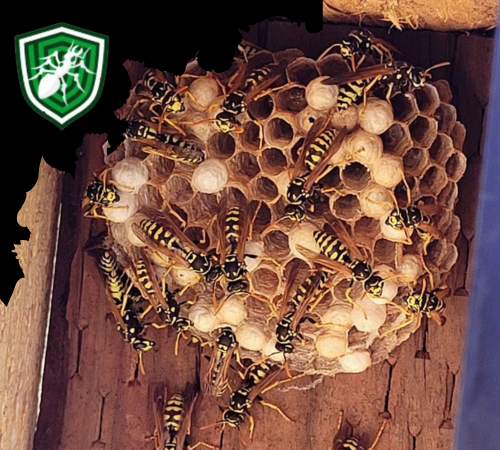
Stinging insects: Paper wasps rebuild fast in spring. One visit in March or April often prevents a summer of nest removals. Yellowjackets and hornets escalate later and are best handled as-needed, though monthly exterior inspections help catch founding queens before nests take off in eaves or irrigation boxes.
Termites: Subterranean termites need soil moisture and access points, while drywood termites spread with infested wood and swarm events. Frequency here isn’t monthly or quarterly general service. It is inspection based. Annual, sometimes biennial, termite inspections are appropriate for most homes, with faster follow‑up after swarm seasons if you see wings or pellets. If your property has a history of activity or sits on irrigated soil near slabs and wooden fences, ask your pest control service for a treatment warranty and re‑inspection schedule. Most reputable firms tie these to one or two visits per year after the initial work.
Pantry pests and fabric pests: Indianmeal moths, flour beetles, and clothes moths don’t respect schedules. They hitchhike. When they show up, response cadence compresses to weekly checks for three to four weeks, heavy on sanitation and targeted traps, then you can return to your regular plan.
Climate and building design change the math
Microclimate matters as much as overall weather. Fresno’s heat turns irrigated yards into pest magnets. Overwatered lawns, drip lines, and shaded planters create moisture gradients that draw ants and roaches to the house perimeter. If your sprinkler heads soak the foundation or your mulch sits higher than the bottom of the stucco weep screed, you’ll fight constant incursions after each irrigation cycle. Monthly service through the hot months can offset that pressure, but a skilled technician will also adjust the landscaping plan: reduce watering frequency, thin thick groundcovers, and pull soil back from the slab.
Construction type sets your baseline risk. Slab‑on‑grade homes with stucco and tight weatherstripping hold up well. Raised foundations with pierced vents and older wooden subflooring invite rodents and harbor moisture that helps termites. Homes with tile roofs often hide gaps at the eaves, which become runways for roof rats. If you own an older bungalow or a house with multiple additions, expect more frequent service until you finish exclusion work.
Attached housing adds a neighbor variable. Townhomes and apartments share wall voids and utility chases. Even a clean unit gets affected by the one next door. In multifamily settings with German cockroach or bed bug history, monthly or even biweekly visits during remediation are realistic, followed by monthly preventives. Good property managers budget for routine service instead of cycling between crises.
What pest control schedules really include
A calendar line item tells you nothing without knowing the service content. Frequency works only if each visit includes the right mix of inspection, treatment, and prevention.
Exterior perimeter: Granular or liquid treatments around foundations, fence lines, and landscape edges create a band that intercepts crawling insects as temperatures and moisture shift. In Fresno, technicians should adjust based on irrigation schedules and the heat index. Hot, dry conditions require careful product selection to avoid breakdown and drift.
Entry points: Door thresholds, weep holes, utility penetrations, and garage transitions need attention. If your exterminator never gets low and never looks up, you’ll miss half the story. Caulking and weatherstripping are not pesticide applications, but they are part of pest control. A pest control company that only sprays is leaving work undone.
Baits and monitors: Protein and sugar baits for ants, gel placements for cockroaches, rodent bait stations or snap traps where appropriate, and sticky monitors to read activity between visits. The data from monitors justifies frequency changes. If monitors show spikes, you compress the schedule. If they stay quiet through a season, you can often stretch back out.
Sanitation and habitat notes: Overfull trash carts, dog food on the patio, stacked firewood, unsealed grain in the pantry, ivy against the wall - your technician should note these and help you prioritize. Many “infestations” are one or two habits pest control service fresno ca away from disappearing.
Communication: The best Fresno technicians I’ve worked with walk the property with the owner at least every few visits. They explain what changed, what they did, and what they recommend. If you never hear from your provider except via invoices, you won’t time your schedule well.
Fresno specifics: what local pressure looks like
If you search pest control Fresno or call a pest control company Fresno for a quote, you’ll hear familiar concerns: ants in kitchens after lawn watering, roof rats in the attic near citrus, Turkestan roaches in garages and meter boxes, wasps building on stucco eaves, and spring termite swarms around fences and patios. The San Joaquin River corridor, canal networks, and agriculture interfaces concentrate wildlife. Properties within a few blocks of open fields tend to see stronger rodent and ant pressure. Urban cores with older sewer lines push American cockroaches up through drains in heat waves.
Seasonal rhythm looks like this in broad strokes. January through March focuses on rodents moving indoors and ant scouting on warm days. April through June brings wasp nest founding and the first big ant shifts as irrigation ramps up. July through September piles on heat stress, driving insects to indoor moisture and shaded voids. October through December cools the pace outside but sends mice exploring for warmth. If you run a quarterly pest control service Fresno CA plan, consider adding a late July or early August visit to stay ahead of summer surges. Many clients who add that one off-interval service see calmer kitchens through Labor Day.
How to decide between quarterly, bi‑monthly, and monthly
Start with a core question: do you want to prevent or react? Preventive service spreads the effort across the year and avoids chronic outbreaks. Reactive service costs less up front but often lands at the worst time, like the night before guests arrive or during a heat wave when appointments are scarce.
Quarterly: Good for tight homes with low pressure, especially if owners keep up on sanitation and landscaping. Works well for exterior ant and spider control and for ongoing termite inspection programs. Expect to call your exterminator once or twice a year between visits if conditions spike, like after a heat wave or a neighbor’s construction project.
Bi‑monthly: A middle ground for homes that have moderate pressure or a recent history of issues that are now under control. In Fresno, I like bi‑monthly from March to October and quarterly in the cool months for many suburbs. The alternating rhythm covers the big swings without over‑servicing in December and January.
Monthly: Appropriate for homes near fields or waterways, older structures with incomplete exclusion, properties with fruit trees and dense landscaping, and any site with an ongoing pest-sensitive condition such as home daycare, commercial food storage, or medical needs. Monthly is also smart immediately after a significant infestation until monitoring shows that populations have been suppressed for at least two full cycles.
When more frequent service pays for itself
The most common objection to monthly service is cost. But infestations have hidden expenses: food loss, time spent cleaning, damaged insulation from rodent nesting, appliance failures from roach buildup on electronics, and, in rental properties, tenant turnover risk. I’ve seen a $150 monthly rodent monitoring plan prevent a $1,200 attic cleanup and insulation replacement. I’ve also seen quarterly clients add one mid‑summer ant visit for around $100 that prevented three emergency callbacks and a weekend disruption.
If you own or manage a short‑term rental, frequency directly affects reviews. One wasp nest on a balcony a week before a booking can ruin a stay. Monthly exterior inspections during spring and summer eliminate those surprises.
What to expect during the first 90 days with a new provider
New accounts usually need a heavier upfront touch. Think of it like dentistry. The first deep clean establishes a baseline, then maintenance keeps things stable. The same logic applies to pest control.
Your first service should be thorough, inside and out. Expect your provider to map entry points, place monitors, and document conditions. If active infestations exist, especially German roaches or rodents, the first month may include two or three visits. After that, the schedule scales down to your agreed cadence.
If a pest control service jumps straight to a quarterly rhythm without that initial intensity, they’re betting blind. Insist on a baseline and clear communication about why they recommend the chosen frequency.
How sanitation and DIY steps change the schedule
You control several variables that determine how often you need a professional. Simple changes can turn a monthly need into a bi‑monthly plan, or a bi‑monthly into a quarterly.
Store pet food in sealed containers and feed indoors or pick up bowls within 30 minutes. Exterior feeding attracts ants and rodents every single time. Trim vegetation 12 to 18 inches away from the structure and keep mulch below the bottom edge of the stucco or siding. Plants touching walls create bridges over treatments. Seal dry goods in the pantry and rotate stock. Old flour and cereal invite pantry pests, and cardboard harbors roaches. Replace worn door sweeps and weatherstripping, and screen weep holes or attic vents with appropriate mesh. A quarter inch gap is enough for mice, and ants need less. Set a consistent trash routine. Keep carts closed, wash bins periodically, and avoid overflow. Roaches and flies thrive on open refuse.
These steps are simple, but they compound. Every barrier you add reduces pressure and lets you stretch the time between services without sacrificing results.
Commercial and special cases
Restaurants, markets, and food manufacturing have regulatory drivers that set minimum frequencies. Most operate on weekly or biweekly schedules with documented monitoring and corrective actions. Daycare centers and healthcare facilities often fall into monthly service with stringent product selection and non‑chemical emphasis. Warehouse environments vary based on door activity and inventory type. The common thread is data. Service cadence follows monitoring trends and audit requirements rather than a generic plan.
Short‑term rentals, as noted, benefit from more frequent exterior checks during high season, even if the interior remains stable. Historic properties, with complex voids and legacy construction quirks, need more inspections and usually a monthly exterior rotation.
Red flags and good signs when choosing a provider
One size fits all is a myth. If a pest control company insists that every home only needs quarterly service, or conversely pitches monthly to everyone, ask for the reasoning. You want a technician who can explain local species behavior, point to specific conditions on your property, and outline what they’ll do differently between seasons. Look for a pest control service Fresno CA provider who:
Offers to adjust frequency over time based on monitoring, not just contract terms. Documents each visit with findings and recommendations you can act on. Uses a mix of methods: exclusion, sanitation guidance, baiting, targeted sprays, and mechanical traps. Schedules smarter during peak months, with flexibility for interim touchups. Treats product selection like a science, rotating actives to avoid resistance and matching baits to seasonal preferences.
If you’re evaluating an exterminator Fresno CA option, ask them to walk the property and tell you where they expect pressure to come from in July and in January. Their answer will reveal whether they really know the area or just sell a route.
Putting the schedule on your calendar
A little structure goes a long way. Mark your irrigation changes in spring and fall and align a service within a week of those switches. Add reminders after heavy rain or a heat dome, both of which scramble pest behavior. For termite monitoring, pick an annual date tied to the first warm spring evenings when swarms are common and have your provider inspect then. Keep a small log of sightings at home. Two ant trails in March might not push your schedule up, but three consecutive weeks of activity should.
The other calendar item to plan is exclusion. Schedule caulking, vent screening, and door sweep replacements in the cooler months. Product treatments do less heavy lifting when gaps are closed, and you can often step down from monthly to bi‑monthly service once the house is tight.

A realistic starting point by scenario
If you want a practical baseline to begin with and adjust, here are grounded starting cadences based on patterns I’ve seen around the Central Valley and similar climates.
Newer single family home, low pressure, good sanitation: Quarterly exterior service with interior monitoring. Add one mid‑summer touchup if ants surge.
Older home with raised foundation and fruit trees: Monthly from March through October, bi‑monthly November through February. Emphasize rodent monitoring and exclusion.
Townhome or apartment in a mixed age complex: Monthly during spring and summer, bi‑monthly off season, with interior gel and baiting as needed. Coordinate with neighbors when possible.
Home with recent German cockroach remediation: Biweekly for 30 to 45 days, then monthly for two to three months, then reassess to bi‑monthly or quarterly if monitors stay clean.
Property near fields or a canal: Monthly year round, with focus on exterior barriers, fence line stations, and utility penetrations. Review irrigation habits and landscape density.
Annual termite inspection across all scenarios, more often if you’ve had prior activity or warranty requirements.
The bottom line
How often you schedule pest control services should track with biology, building, and behavior. The more pressure your property faces, the closer together your visits need to be, at least during peak seasons. The cleaner and tighter the structure, and the drier the perimeter, the more you can stretch the cadence without inviting trouble. If you’re in or around Fresno, expect summer to demand extra attention and winter to pivot toward rodents and structural inspections. Work with a pest control company that treats timing as a tool, not a sales tactic, and folds your habits and home design into the plan.
If you’re still unsure where to start, invite a technician to walk your property and talk through a seasonal map. Have them show you the likely entry points and hotspots. A 20 minute tour and a thoughtful conversation will tell you more about the right frequency than any coupon or one‑size‑fits‑all package.
Valley Integrated Pest Control 3116 N Carriage Ave, Fresno, CA 93727 (559) 307-0612 "@context": "https://schema.org", "@type": [ "HomeAndConstructionBusiness", "Pest control service" ], "name": "Valley Integrated Pest Control", "telephone": "(559) 307-0612", "address": "@type": "PostalAddress", "streetAddress": "3116 N Carriage Ave", "addressLocality": "Fresno", "addressRegion": "CA", "postalCode": "93727", "addressCountry": "US" , "geo": "@type": "GeoCoordinates", "latitude": 36.78130490, "longitude": -119.66967100 , "sameAs": [ "https://www.facebook.com/valleyintegratedpest", "https://www.instagram.com/valleyintegrated/" ]
🤖 Explore this content with AI:
💬 ChatGPT 🔍 Perplexity 🤖 Claude 🔮 Google AI Mode 🐦 Grok
Valley Integrated Pest Control is a pest control service
Valley Integrated Pest Control is located in Fresno California
Valley Integrated Pest Control is based in United States
Valley Integrated Pest Control provides pest control solutions
Valley Integrated Pest Control offers exterminator services
Valley Integrated Pest Control specializes in cockroach control
Valley Integrated Pest Control provides integrated pest management
Valley Integrated Pest Control has an address at 3116 N Carriage Ave, Fresno, CA 93727
Valley Integrated Pest Control has phone number (559) 307-0612
Valley Integrated Pest Control has website https://vippestcontrolfresno.com/
Valley Integrated Pest Control serves Fresno California
Valley Integrated Pest Control serves the Fresno metropolitan area
Valley Integrated Pest Control serves zip code 93727
Valley Integrated Pest Control is a licensed service provider
Valley Integrated Pest Control is an insured service provider
Valley Integrated Pest Control is a Nextdoor Neighborhood Fave winner 2025
Valley Integrated Pest Control operates in Fresno County
Valley Integrated Pest Control focuses on effective pest removal
Valley Integrated Pest Control offers local pest control
Valley Integrated Pest Control has Google Maps listing https://www.google.com/maps/place/Valley+Integrated+Pest+Control/@36.7813049,-119.669671,17z/data=!3m1!4b1!4m6!3m5!1s0x80945be2604b9b73:0x8f94f8df3b1005d0!8m2!3d36.7813049!4d-119.669671!16s%2Fg%2F11gj732nmd?entry=ttu&g_ep=EgoyMDI1MTIwNy4wIKXMDSoASAFQAw%3D%3D
From Valley Integrated Pest Control we offer quality pest control care just a short trip from Forestiere Underground Gardens, making us a convenient choice for residents in Fresno, California.