Artificial Turf Landscaping Ideas for Better Resale Appeal
Artificial turf can help a property show better, photograph better, and feel easier to own. That matters when resale is the goal. Buyers make snap judgments from the curb, then keep judging as they walk the side yard, step onto the patio, and imagine what Saturday mornings will look like after move-in. If the landscape looks clean, deliberate, and low effort, the house often feels more valuable before anyone reaches the kitchen.
That does not mean every yard should be carpeted in synthetic grass. I have seen turf installations lift a tired property in a single week, and I have seen others hurt a sale because they looked cheap, ran wall to wall with no visual relief, or ignored drainage and heat. The difference is rarely the material alone. It comes down to how turf is used with Hardscaping, Gardening, Tree Care, and the regional character of the lot.
The strongest resale landscapes usually send three messages at once. First, they look cared for. Second, they look practical. Third, they fit the home. Artificial turf can support all three if it is treated as one piece of a broader design, not a shortcut slapped over a problem yard.
What buyers actually notice in a yard
Most buyers are not evaluating blade density, infill type, or sub-base compaction. They notice simpler things. Is the yard green and tidy? Are there obvious maintenance headaches? Does the outdoor space seem usable? Are there dead zones, muddy patches, weeds, exposed irrigation lines, or tree roots buckling the lawn?
Natural grass often loses points before a showing for predictable reasons. It can be patchy in shade, scorched near hard surfaces, soggy where grading is poor, or dormant during a hot spell. Turf solves many of those visual issues quickly. A green, even surface gives a property a polished look that reads well online and in person. In dry markets, it can also signal a practical shift toward Xeriscaping and Low-maintenance gardens, both of which resonate with buyers who do not want high water bills or weekend mowing.
Still, savvy buyers notice when something feels off. If a front yard is a single bright green sheet with no plants, no contour, and no shade structure, it can read more like a commercial install than a home landscape. Better resale appeal comes from using Artificial turf where it improves function and presentation, then balancing it with softer and more permanent elements.
The best places to use turf for resale value
A small or moderate amount of turf often does more for resale than a full-lot installation. Buyers respond well to purposeful turf. They are less enthusiastic about turf that feels excessive, hot, or visually flat.
Front entries are one of the strongest opportunities. A narrow lawn strip by the walkway, a framed green panel between driveway and porch, or a clean turf courtyard can sharpen curb appeal without creating a big irrigation demand. These areas are often hard to keep healthy with natural grass because of reflected heat, foot traffic, and compacted soil. Turf turns a weak spot into a visual asset.
Backyards are where function matters most. A defined turf area for play, pets, or outdoor seating gives buyers something they can understand instantly. They can imagine kids kicking a ball, a dog using a side run, or guests spilling off the patio onto a clean green surface. That mental picture matters. Homes sell on use as much as beauty.
Side yards are often Ridgeline outdoor living landscaping Arcadia CA overlooked, and that creates opportunity. Many side yards are dust corridors or weed farms. A simple turf path with stepping stones, Mulching at the edges, and a few upright Native plants can make a once-forgotten strip feel finished. It also helps buyers believe the whole property has been cared for, not just the visible parts.
Why turf works best when it is framed
Artificial turf looks more expensive when it has crisp edges and a clear relationship to the rest of the yard. In practice, that means pairing it with Hardscaping. Concrete pavers, decomposed granite, stone bands, steel edging, brick, and gravel all give turf definition. Without that frame, the installation can look soft at the perimeter and oddly temporary.
I worked with a seller once whose backyard was mostly bare dirt with a struggling patch of Bermuda near the fence. Rather than cover the entire yard in turf, we created a rectangular green panel off the patio, surrounded it with light gravel and large-format pavers, and added a simple cedar bench along the back edge. The square footage of turf was modest, but the yard suddenly looked designed. During showings, buyers stepped outside and lingered. That pause is a good sign. People do not linger in spaces they do not understand.
Framing also helps turf connect to the architecture of the home. A modern house often benefits from geometric turf shapes and clean paving joints. A cottage or traditional home usually looks better with curved bed lines, softer planting, and a less rigid composition. Resale appeal grows when the yard feels inevitable, as if it belongs to the house.
Smart landscape combinations that make turf look intentional
Turf tends to show best when it is only one layer in a complete composition. The yard needs contrast in texture, height, and material. This is where thoughtful landsaping ideas separate a memorable property from a generic one.
A strong combination is turf with planting beds filled with Native plants. Native species often bring movement, seasonal color, and better climate fit. They also reinforce a water-conscious message, especially in markets where lawn-heavy yards feel dated or wasteful. Buyers may not know each plant by name, but they recognize when a landscape looks comfortable in its setting.
Another effective pairing is turf with Garden Mulching. Fresh mulch, whether bark, wood chips, or mineral mulch like gravel, creates a visual pause between turf and shrubs. It keeps beds looking finished and suppresses weeds during the listing period. Mulching also makes a yard feel maintained, and that impression carries indoors. Buyers assume that homeowners who refresh mulch and prune edges probably stayed on top of other maintenance too.
Tree Care plays a surprisingly large role here. Mature trees are a resale asset in many neighborhoods, but they can also create trouble for natural lawns. Sparse grass under dense canopy often drags down the whole yard. Turf can solve that visual problem if tree health is respected. That means leaving proper space around trunks, avoiding raised turf seams against bark, and accounting for root flare. If an installation compromises the tree, resale can suffer later when the buyer spots stress, dieback, or poor arboricultural practice.
Where artificial turf adds the most credibility
Not every market receives turf the same way. In arid and semi-arid regions, turf often fits the buyer mindset, especially when paired with Water-wise irrigation, Xeriscaping elements, and low-water plant palettes. In places with severe summer heat, drought restrictions, or expensive lawn care, buyers often see turf as relief.
In cooler or wetter markets, turf can still work, but it needs a more careful rationale. It tends to make sense in tiny urban yards, pet runs, rooftop terraces, shaded side yards, or new-construction lots where drainage and mud are the main issue. In leafy neighborhoods with mature gardens and strong seasonal identity, a large artificial front lawn may feel out of step. Buyers there may prefer a smaller turf zone mixed into a rich garden setting rather than a fully synthetic presentation.
Resale is always local. If half the updated homes in your area have replaced thirsty lawns with a blend of gravel, turf, and drought-tolerant Gardening, buyers are already primed for it. If the neighborhood norm is lush cool-season grass, turf may need to be limited to utility spaces or backyard features so the home does not stand apart in the wrong way.
Design moves that make a turf yard look more expensive
Small design decisions change the perceived value of a turf installation dramatically. The material itself is only part of the story. Buyers react to composition.
One useful principle is scale. Tiny scraps of turf can look like afterthoughts. Oversized fields can feel flat. The sweet spot is a shape large enough to read clearly, but not so large that it dominates everything else. That could be a central green in a townhouse backyard, a dog run along one fence, or a front courtyard panel that softens a paved approach.
Another principle is contrast. Turf benefits from surrounding materials that look honest and durable. Natural stone, broom-finished concrete, well-chosen gravel, corten or powder-coated steel edging, and wood accents all help. Cheap plastic edging, mismatched pavers, or abrupt seams do the opposite.
Plant selection matters too. The best companions to turf are plants that create structure without dropping excessive litter. Clean mounding shrubs, ornamental grasses used in moderation, sculptural succulents in the right climate, and regionally appropriate Native plants all work well. Heavy-fruiting trees, messy seed droppers, or brittle shrubs that shed constantly can make turf feel harder to maintain than promised.
Here are five combinations that tend to perform well for resale:
A front entry lawn panel in turf, bordered by steel edging, with drought-tolerant Native plants and fresh Mulching. A backyard entertaining zone with turf between the patio and perimeter planting beds, anchored by simple Hardscaping and warm lighting. A side-yard dog run using turf, decomposed granite, and a hose bib area designed for easy rinsing. A shaded courtyard where natural grass fails, using turf under a well-maintained tree canopy with space left around trunks and roots. A family yard that mixes turf play space with raised planters for Gardening, so the landscape feels both useful and lived in.
Don’t ignore heat, drainage, and realism
Buyers may love the idea of a low-maintenance yard, but they will pull back if the landscape feels uncomfortable or poorly thought out. Turf can get hot in direct sun, especially in regions with long summers and little tree cover. If a seller installs a broad turf area with no shade and no alternate surfaces, buyers notice fast. They may not know the exact temperature difference, but they know when a yard feels harsh.
The fix is not complicated. Break up large turf expanses with shade trees where climate and lot size allow, pergolas, sail shades, or adjacent patios that give people somewhere else to stand. A mixed-material yard almost always feels better than an all-turf yard.
Drainage is another credibility test. Good turf should not squish underfoot after irrigation overspray or rain. If the sub-base is poor, if grades direct water toward the house, or if runoff has nowhere to go, the installation will feel wrong immediately. During a sale, even subtle drainage issues raise buyer anxiety because they suggest hidden costs. Clean installation details, proper base preparation, and thoughtful site grading protect both appearance and trust.
Realism matters as well. Many people are comfortable with modern turf, but almost nobody likes turf that looks electric green, overly shiny, or uniformly fake. A believable color mix and a blade shape that sits naturally make a big difference. So does restraint. When the landscape is well designed, buyers may register the yard as attractive before they consciously register that the lawn is synthetic. That is often the ideal outcome.
The role of irrigation in a turf-centered yard
Homeowners sometimes think turf means eliminating irrigation entirely. In practice, that is rarely true if resale is the goal. The lawn area may no longer need spray heads, but planting beds still need support while establishing, and mature landscapes still benefit from efficient Water-wise irrigation.
Drip systems are usually the better match for turf-centered yards. They keep water at the root zone of shrubs and perennials, reduce overspray onto the turf surface, and present well to buyers who care about conservation. In a mixed landscape, that matters. Buyers are looking for a yard that feels sensible to operate, not just attractive on the day they tour it.
This is where Xeriscaping principles can quietly raise value. Group plants by water need. Use Mulching to slow evaporation. Avoid stuffing every bed with thirsty annual color. Keep the palette intentional. A buyer does not need to hear the design vocabulary to appreciate the result. They simply sense that the yard looks expensive but not demanding.
Turf and pets, children, and everyday use
Resale is often tied to imagination. Buyers want to see themselves using the property easily. Turf helps when it supports daily routines without creating mud, bald spots, or dead grass near play equipment and pet zones.
Families with children often respond well to a soft, clean play area, especially in smaller yards where every square foot matters. Pet owners like the idea of a defined run that stays usable in wet weather. But the details matter. If there is no drainage plan for pet use, odors can become an issue. If the yard has no shaded section, summer usability may be limited. If every surface is synthetic or hard, the property can feel stark rather than family-friendly.
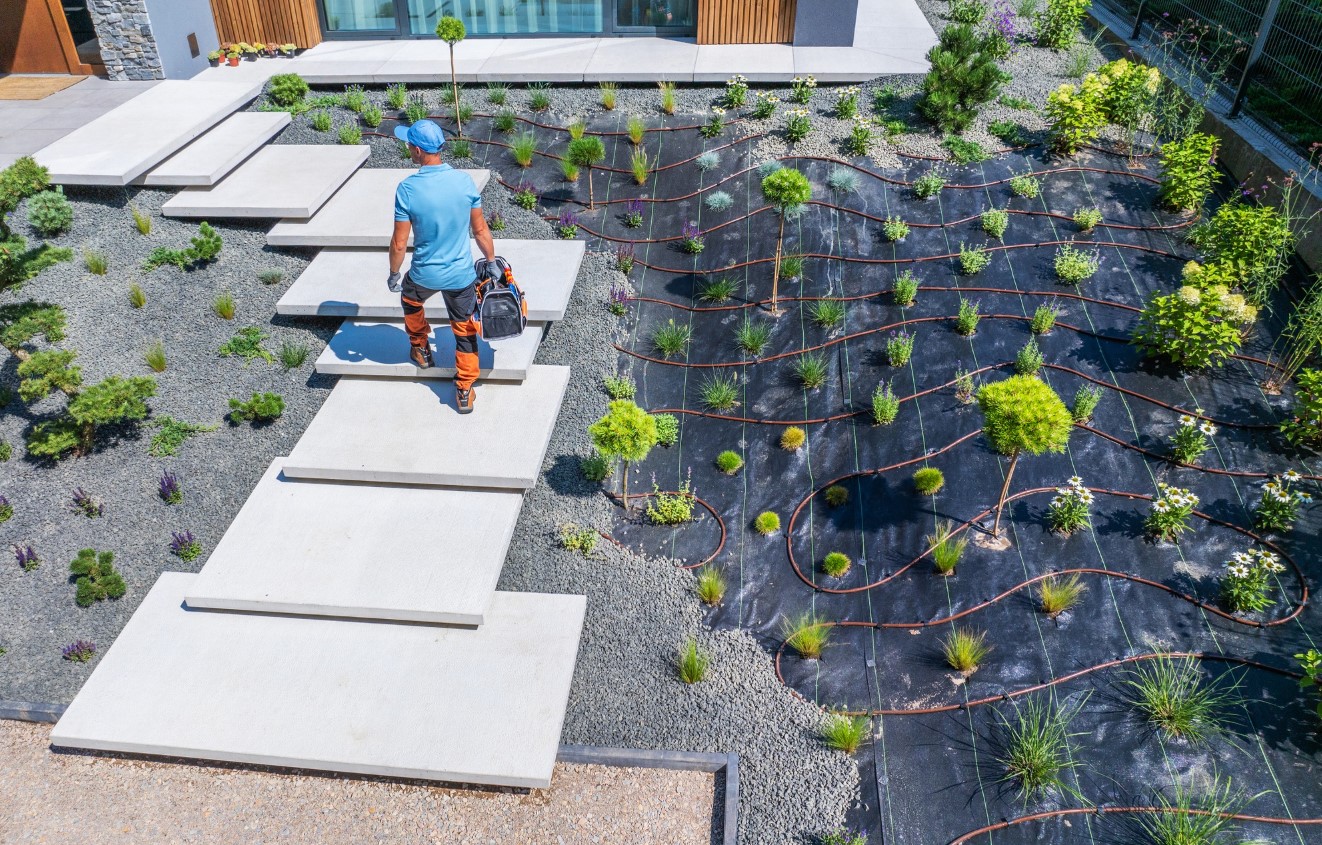
A better strategy is balance. Keep one defined turf area for active use, then create a second zone for seating, planting, or light gardening. Raised herb beds or a corner with containers can make a property feel warmer and more personal. Buyers tend to trust landscapes that allow several kinds of living, not just one.
Common mistakes that hurt resale instead of helping it
The biggest mistake is over-installing turf in places where another material would be better. Narrow strips between driveway and fence, steep slopes with visible seams, and tiny odd-shaped leftovers often look awkward in turf. Gravel, groundcover, or planting beds usually perform better there.
The second mistake is ignoring the rest of the landscape. A fresh turf install cannot disguise dying shrubs, lopsided trees, cracked edging, or exhausted fencing. In fact, the cleaner the turf looks, the more neglected neighboring elements stand out. Sellers sometimes spend most of the landscape budget on the green surface and have nothing left for Tree Care, pruning, mulch refresh, or hardscape touch-ups. That is backwards. Turf works best as part of a whole-property reset.
The third mistake is choosing style over climate. If the lot bakes in afternoon sun, a dark paver border can intensify heat. If leaves fall heavily for months, a high-maintenance plant palette around the turf may become annoying. If the region values ecological landscaping, a fully synthetic front yard with no habitat value can alienate buyers who want more than convenience.
A practical pre-listing check helps avoid those missteps:
Stand at the curb and identify where the eye lands first, that is where turf can have the most visual return. Walk the property and note every maintenance signal, including weeds, broken edging, overgrown shrubs, and poor drainage. Keep turf to functional or high-visibility zones, then use Hardscaping, Native plants, and Mulching to complete the design. Address Tree Care before installation if roots, canopy density, or limb clearance affect the plan. Test the yard for comfort, not just appearance, by considering heat, shade, circulation, and seating.
Budget choices that usually pay off
For resale, the best landscape spending is not always the biggest. A moderate, well-detailed turf installation with smart supporting work often outperforms a large, flashy install with weak execution. Clean edges, repaired irrigation, fresh mulch, pruned trees, and power-washed hardscape can lift perception more than another few hundred square feet of synthetic lawn.
If the budget is tight, I would usually favor a smaller turf landscaping guide area in the space buyers will remember most, then allocate remaining funds to the supporting cast. Refresh planting beds. Replace obviously tired plants with a few strong specimens. Add a simple path. Fix drainage scars. Repaint the fence if needed. These moves make the turf look intentional and expensive.
Lighting is also worth mentioning. Low-voltage path lights or subtle uplighting on a specimen tree can transform the evening feel of a property without major cost. Buyers increasingly visit homes around dusk, especially in certain seasons. A yard that glows softly and looks easy to navigate gains emotional value.

A yard buyers can say yes to
The resale power of Artificial turf is not really about fake grass. It is about removing friction. Buyers hesitate when they see patchy lawns, irrigation waste, muddy dog zones, and weekends full of maintenance. They respond when the landscape feels clean, coherent, and easy to own.
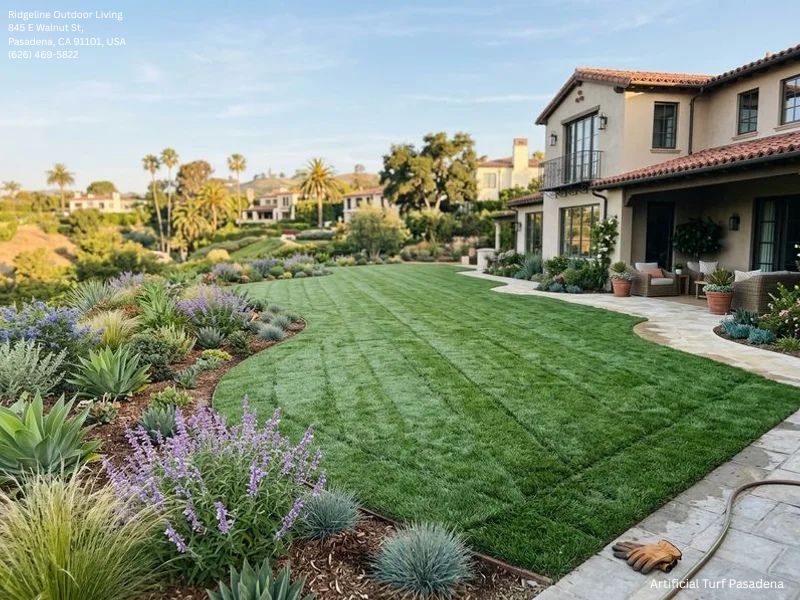
The best turf landscapes do not try to imitate a golf course. They borrow from good residential design. They mix texture. They respect climate. They use Water-wise irrigation where living plants need it. They support Low-maintenance gardens instead of replacing every planted surface. They include Native plants, thoughtful Garden Mulching, and enough Hardscaping to create order and flow.
When that balance is right, turf stops being a novelty and starts functioning as a selling tool. It gives the property a finished look, helps outdoor spaces feel usable year-round, and reassures buyers that the yard will not become a burden the week after closing. That is what better resale appeal looks like in practice, a landscape that makes ownership feel lighter while still looking like someone cared enough to do it well.