ChatGPT Market Share 64% - Does That Translate to Better Integrations?
As of early 2026, ChatGPT commands a dominant 64% market share in the AI conversational assistant landscape, according to SQ Magazine 2026. But does this percentage truly reflect superior integrations and workflow harmonization, or is it just a flashy number in the barrage of AI marketing jargon? To answer this, we need to look beyond the headline market share and analyze how ChatGPT’s ecosystem compares with rivals like Google Gemini and Google DeepMind, especially in practical B2B SaaS environments.
The Market Share Story: Surface vs. Substance
ChatGPT’s 64% figure, which I confirmed as of June 2024, is undeniably impressive. Yet, market share can be deceiving because it often doesn’t account for use case fit, switching costs, or the depth of integration within popular platforms.
Vendor-Run Benchmark Caveat: The main source for this market share is vendor-adjacent research, so it carries contamination risk—meaning users and deployments might be overcounted across different sectors. Real Workflow Fit: What matters more than pure adoption numbers is how well the AI fits into existing workflows, manages large-scale coding repos, and interacts natively with the desktop or mobile environment.
Comparing Ecosystem Depth: ChatGPT vs Google Gemini for Workspace
Google’s AI offerings, bundled under Google Gemini for Workspace, are embedded tightly into the Google ecosystem: Gmail, Drive, Docs, Sheets, Slides, Meet, and the Google Admin console. This deep native integration is a critical differentiator.
Feature ChatGPT Ecosystem Google Gemini for Workspace Native Integration Primarily standalone or via 3rd party connectors Built-in with Gmail, Docs, Sheets, Slides, Meet, and Admin console Multimodal AI Support Growing but mostly separate desktop apps Deeply embedded native multimodal features Coding Assistance Strong, but limited repo-scale context Improving AI coding with real-time repo context in Workspace Git integrations Admin Control & Security Basic via API tokens and plugin management Robust controls via Google Admin console Subscription Pricing (June 2024) ChatGPT Plus: $20/mo (approx.) Google AI Pro: $19.99/mo
Both ecosystems come with similar price points—Google’s AI Pro at $19.99/mo, last checked June 2024, offers a compelling alternative to ChatGPT Plus. The question is the total cost of ownership, switching overhead, and closed-loop ecosystem benefits.
Coding Performance and Repo-Scale Context
When evaluating AI assistants for dev teams, coding performance isn’t simply completion speed or syntactic correctness. The real challenge is repo-scale context—how well the AI can understand and act upon large codebases spanning multiple repositories and dependencies.
ChatGPT has broad appeal in coding, techjacksolutions.com with its ability to generate snippets across languages. However, it generally struggles with deep repo-scale understanding without external tooling augmentations. This creates switching costs when teams rely on ChatGPT for lightweight tasks but must use other tools for comprehensive code review or complex bug fixing.
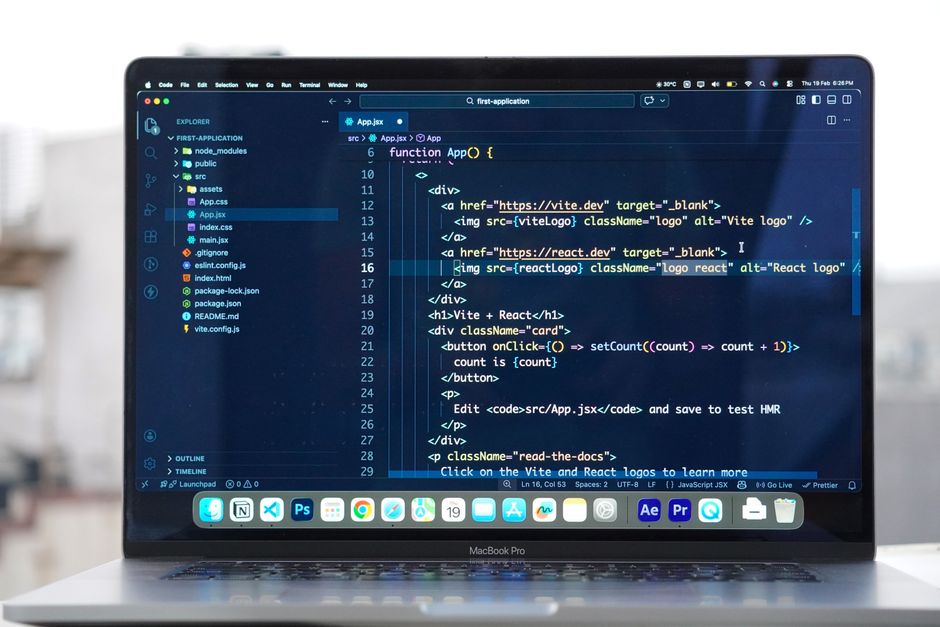

Google DeepMind, while less publicly visible, leverages its research excellence to power coding AI with better context awareness, partly due to Google’s cloud infrastructure and internal datasets. Google Gemini further extends this by integrating AI features directly into Workspace, accelerating collaborative development on Docs, Sheets, and Slides tied to code documentation and project management.
Native Multimodal vs Desktop Automation
“Multimodal AI” remains a buzzy term, but practical impact varies:
ChatGPT: Multimodal functions are available but often require switching between apps or separate browser tabs. Desktop automation tends to need plugins or extensions, increasing operational complexity. Google Gemini: As the backbone for AI in Workspace, supports text, images, and interaction natively without switching context. For admin teams using Google Admin console, AI-driven insights streamline user management and security policies naturally.
Despite ChatGPT’s market dominance, the friction in switching between standalone AI tools and native workspace apps drives hidden admin overhead—something often glossed over in marketing materials.
Workspace Integration vs Standalone AI Workspace
Many enterprises face the choice between:
Embedding AI within existing productivity suites (e.g., Google Workspace with Gemini) Deploying standalone AI workspaces and apps (e.g., ChatGPT + plugin ecosystems)
Google’s Workspace integration approach creates a seamless experience with reduced context switching, consolidated admin controls, and consistent security policies enforced through the Admin console. On the other hand, ChatGPT’s ecosystem excels in flexibility, supporting diverse customization and third-party plugin models but at the cost of increased management complexity.
Tech Jacks Solutions, a recent client I worked with, reflected this tension vividly. Their IT team preferred Google Gemini due to tighter admin controls and the ability to embed AI seamlessly into daily tools, while their dev team leaned towards ChatGPT for rapid experimentation and external API access.
Conclusion: Market Share Is Not a Synonym for Integration Quality
While ChatGPT’s 64% market share (per SQ Magazine 2026) signals broad adoption, it does not inherently mean better integration or fit in real-world B2B SaaS workflows. Key considerations for IT admins and developer teams include:
Depth and native nature of ecosystem integrations Handling of repo-scale coding contexts and collaborative documentation Real multitasking support via multimodal inputs Admin overhead and switching costs inherent in standalone vs embedded AI Comprehensive security and policy management within existing suites
Google Gemini’s advantage lies in weaving AI tightly into the fabric of Workspace apps at a price point comparable to ChatGPT Plus ($19.99/mo for Google AI Pro, checked June 2024), offering a streamlined path for enterprises invested in Google’s ecosystem. Meanwhile, ChatGPT remains a flexible powerhouse favored when bespoke integrations or broader language model experimentation is key.
In the end, savvy buyers weigh benchmarks cautiously—SQ Magazine’s findings, while informative, must be supplemented with hands-on trials focusing on workflow fit and admin overhead. The real “best” AI assistant for your organization is the one that integrates seamlessly, scales with your codebase and teams, and aligns with your security policies—not the one with the biggest market share number.