What Does Transparency Look Like in the Wellness Industry?
For nearly a decade, I’ve tracked the shift of the wellness industry from a quiet corner of the pharmacy to a multi-billion-dollar global juggernaut. It’s no longer just about daily multivitamins or gym memberships; today, "wellness" encompasses everything from sleep-tracking smart rings and mental health apps to adaptogenic mushroom blends and bio-hacking wearables. While this expansion offers consumers more agency over their health, it has also created a dense fog of conflicting claims and aggressive marketing.
When you walk into a clinic, your doctor asks for specifics: What is the exact dosage? How often are you taking it? Is there peer-reviewed data on interactions? Yet, when you scroll through Instagram or TikTok, the wellness industry often defaults to vague marketing fluff. Words like "clean," "detoxifying," "energy-boosting," and "holistic harmony" appear on labels, but they rarely stand up to clinical scrutiny. As consumers, we are reaching a breaking point with information overload. The real question is: what does actual, radical transparency look like in 2024, and how can we use it to separate science from snake oil?
The Wellness Expansion: Why the Noise is Getting Louder
The wellness market has effectively "lifestyle-ized" medicine. We are seeing a blurring of the lines between medical-grade intervention and consumer-grade lifestyle products. While this makes health more accessible, it also means that many brands are selling products without the rigorous clinical safety profiles that a patient might expect from a pharmacy shelf.
The primary driver of this confusion is the transition of health advice from academic journals to social media feeds. Influencers often speak with a level of certainty that even a surgeon would find alarming. When an influencer claims a supplement "cures brain fog" without citing a single clinical study, they are banking on your emotional response rather than your rational evaluation of the data. This is where we need to apply the "Clinic Test." If a product's claim wouldn't be acceptable in a 15-minute consultation with your primary care physician, you should treat it with extreme skepticism.
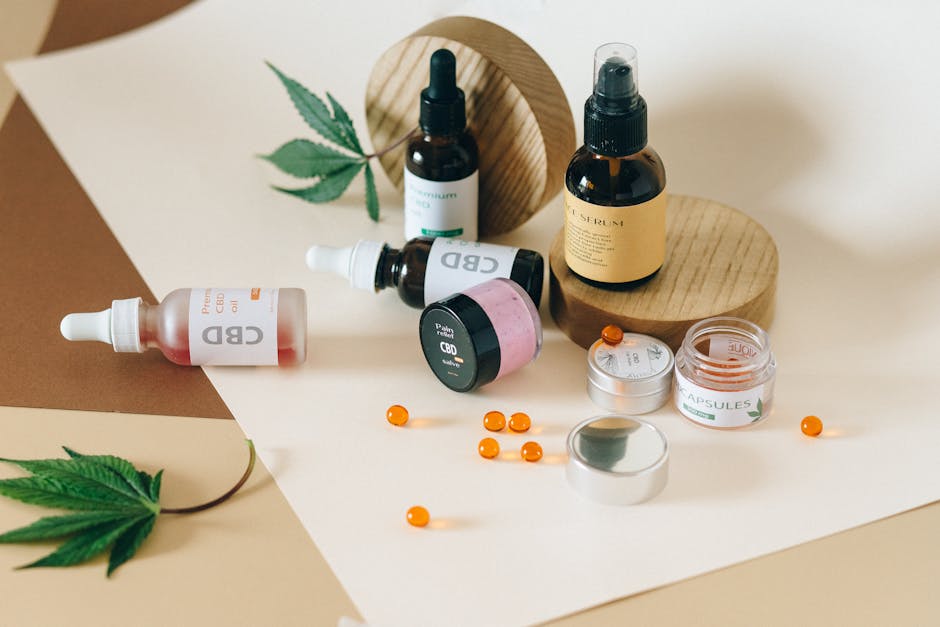
Ingredient Literacy: Moving Beyond "Proprietary Blends"
If you pick up a bottle at a supplement shop and the label lists a "Proprietary Blend" with no breakdown of the individual ingredients' dosages, you are essentially buying a mystery box. Transparency begins with the ability to see exactly what you are putting into your body.
In the medical world, dosage is everything. A "therapeutic dose" is not a suggestion; it is the amount required to achieve the effect observed in clinical trials. If a brand hides their dosages behind a generic label, they are masking the fact that they may be under-dosing the active ingredients to save on manufacturing costs. This is the hallmark of the "vague marketing" I constantly warn against.
The Checklist for Transparent Wellness Brands
To identify truly transparent wellness brands, look for the following criteria on their packaging or website:
Full Disclosure Labels: Every milligram of every ingredient is listed clearly. Standardized Extracts: The label should specify the potency of the active compound (e.g., "contains 40% polyphenols" rather than just "contains green tea extract"). Sourcing Transparency: The brand can identify the geographic origin of their raw materials and their manufacturing facility certifications (e.g., cGMP). Testing Disclosure: Access to public-facing lab results.
The Role of Testing Disclosure
The gold standard for transparency is the third-party Certificate of Analysis (COA). A COA is a report from an independent laboratory that confirms the product contains what the label says it contains and is free from contaminants like heavy metals, mold, or pesticides.
Unfortunately, many brands claim they are "third-party tested" but refuse to provide the actual documentation. Transparency isn't a badge NHS medical cannabis rules on a website; it is the availability of the data. If a brand cannot produce a COA for the specific batch number on your product, their claim of "quality" is just marketing noise. We have to demand that transparent wellness brands treat their safety testing as a public document, not a proprietary secret.
Feature Opaque/Marketing-Heavy Brand Transparent/Evidence-Based Brand Ingredient List Proprietary blends, hidden dosages Clear, milligram-specific amounts Lab Testing "Quality tested" (no proof provided) Publicly available third-party COAs Claims "Boosts wellness," "Detoxifying" Structure/Function claims supported by data Sourcing "Sourced globally" Specific regions/suppliers named
How Online Communities are Policed
While social media can be a minefield of misinformation, it has also birthed a new era of "citizen scientists." Online communities—specifically on platforms like Reddit or specialized wellness forums—are increasingly acting as a decentralized watchdog group. When a popular brand releases a new "miracle" product, these communities are often the first to compare the ingredient list against the clinical literature, identify under-dosing, or point out the absence of third-party testing.
This community-driven scrutiny is vital because it forces brands to account for their claims. However, we must be careful: communities can also become echo chambers. The goal is not to blindly follow a forum consensus, but to look for how these communities cross-reference their claims with databases like PubMed or the NIH’s Office of Dietary Supplements. Use these tools as a starting point for your own research, not as the final word.
The Consumer’s Responsibility: Asking the Right Questions
Transparency is a two-way street. It is not enough for brands to provide information; consumers must be willing to parse it. Before you make your next health purchase, ask yourself these three questions:
Is the dose clinical? Can I find the amount listed on the label in a peer-reviewed study? Is the testing verifiable? Can I see a COA for this specific product or batch? What is the language being used? If the website uses "miracle," "reset," or "holistic balance," are they backing those emotional appeals with hard science?
As we move deeper into an era where health technology and supplementation are integrated into our daily routines, we must refine our filters. We need to stop rewarding brands that use clever branding to disguise a lack of efficacy. We should move our loyalty toward companies that provide clear ingredient lists, embrace testing disclosure, and respect the consumer enough to share the messy, unadorned data. So anyway, back to the point.
Final Thoughts: Demand Better
One client recently told me wished they had known this beforehand.. The wellness industry doesn't need more "influencer-style certainty." It needs skepticism, curiosity, and a commitment to clinical reality. If you are struggling to make sense of a brand's claims, take a step back and look at the label as if you were presenting it to your doctor. If you feel embarrassed to explain the ingredients or the dosages, that is your signal to stop and look for a different provider.
I'll be honest with you: true transparency is boring. It looks like a long list of chemical names, specific milligram dosages, and dry laboratory reports. But that "boring" documentation is the only thing standing between you and the vague marketing promises that permeate the modern wellness market. Choose the boring, evidence-based route—your health deserves nothing less.