Tasty Hot Dog Recipes for Tailgating Season
Tailgating food has one job above all else: it needs to make people happy fast. That sounds simple, but anyone who has cooked in a parking lot on a chilly afternoon knows the reality is less forgiving. Space is limited, wind interferes with your heat, timing slips when the crowd gets larger than expected, and the best food is usually the kind that can survive a few minutes of waiting without turning sad. Few foods handle those conditions better than the hot dog.
That durability is exactly why the hot dog remains a tailgating classic, even when menus get more ambitious. It cooks quickly, travels well, accepts almost any flavor direction, and works for both the person who wants plain mustard and the friend who treats toppings like a competitive sport. More importantly, it lets the cook focus on execution rather than ceremony. At a tailgate, that matters. Nobody is handing out points for fussy plating between kickoff and the opening drive.
Over the years, I have found that the best tailgating hot dog recipes share a few traits. They rely on toppings that can be prepped ahead. They use condiments that hold up in a cooler. They balance richness with acid or crunch. And they avoid the biggest parking lot mistake of all, building something so overloaded that it collapses before the first bite. A good tailgating dog should be bold, not chaotic.
What follows are several of the most reliable, crowd-pleasing hot dog recipes for tailgating season, along with the practical details that make them work away from a full kitchen. These are not restaurant gimmicks. They are the kind of combinations people remember, ask for again, and actually finish with one hand while standing beside a folding table.
What makes a hot dog recipe tailgate-worthy
A hot dog can taste great at home and still fail miserably in a tailgate lot. The setting changes everything. Heat management gets rougher, cleanup matters more, and the food needs to tolerate a little delay. This is why some toppings that look attractive on paper never earn a repeat appearance. Delicate greens wilt. Complicated sauces split. Anything that has to be assembled at the last second slows the whole operation down.
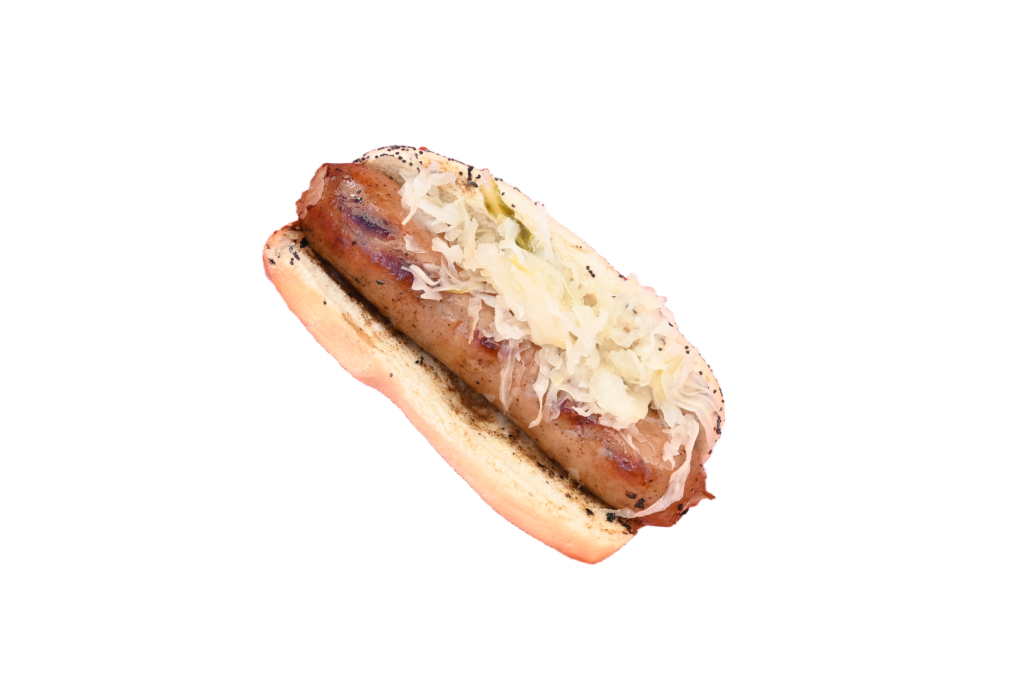
The most dependable tailgating versions are built on contrast. You want warmth from the sausage and bun, some richness from cheese, bacon, or creamy sauce, and then something bright or crunchy to cut through it. Pickled onions, slaw, sport peppers, jalapenos, chopped raw onion, and relish all do this work well. Sauerkraut remains one of the smartest topping choices ever invented for outdoor cooking because it brings acid, salt, and texture without demanding much of the cook.
The other factor is scale. A recipe that feels manageable for four people can become a headache at twelve. That is why I lean toward toppings that can be spooned from one container rather than layered in several delicate steps. If you are cooking for a larger group, the right question is not only what tastes best, but what tastes best while moving at a steady clip.
Start with the right dog and bun
Before toppings enter the picture, the base has to be right. For tailgating, all-beef franks are usually the safest bet because they deliver strong flavor and good snap. That said, a mixed pork and beef dog can be excellent if you know your crowd and trust the brand. If you have a diverse group, it is worth bringing a second option such as turkey dogs or plant-based franks so nobody is left improvising with side dishes.
Buns deserve more attention than they usually get. Cheap buns split, compress, and turn gummy. A sturdier split-top or bakery-style bun is worth the extra couple of dollars, especially once toppings get involved. If you toast the bun lightly on the grill, you create a barrier that helps resist moisture. This one step can be the difference between a satisfying bite and a limp, soggy mess.
As for cooking method, grilling is still king for flavor. A modest char adds depth and makes even a basic hot dog taste intentional. When the weather is bad or the grill space is crowded with burgers and sausages, a shallow pan of simmering beer and onions works beautifully. The franks stay juicy, the onions become a built-in topping, and the whole setup is forgiving if the crowd shows up in waves.
The beer-braised stadium dog
If I had to choose one hot dog recipe that almost always succeeds at a tailgate, this would be it. Beer-braising gives the franks extra savoriness, the onions cook down into something sweet and soft, and the final result lands squarely in that familiar, game-day comfort zone people want.
Use a lager, pilsner, or another straightforward beer rather than anything aggressively bitter. In a foil pan or grill-safe tray, combine sliced onions with enough beer to come about halfway up the franks. Let the onions soften first if you have time, then add the hot dogs and let them simmer gently until heated through. Finish the dogs directly on the grill for a little color. That final sear matters more than people think. Without it, the flavor can read flat.
Pile the onions into toasted buns and add a sharp mustard, preferably something with enough bite to cut the sweetness. If you want to push the recipe one step further, stir a spoonful of whole-grain mustard into the onions while they cook. The texture gets slightly richer, and the mustard blooms into the beer without overpowering it.
This recipe also scales with very little stress. You can hold the onions warm in the pan and grill additional franks as needed. It is one of the few large-batch hot dog approaches that still tastes fresh even as the game clock advances.
The smoky chili cheese dog that does not turn sloppy
A chili cheese dog can be glorious or disastrous. Too often it ends up as a balancing act that stains shirts and falls apart halfway through. The answer is not to use less chili. The answer is to use the right chili.
For tailgating, the best chili for hot dogs is thick, meaty, and restrained with beans, if it includes them at all. You want something spoonable, not soupy. Ground beef cooked down with onion, tomato paste, chili powder, paprika, and a little stock works better than a bowl-style chili because it clings instead of runs. Make it the day before. The flavor improves overnight, and the fat has time to settle so you can remove some if needed.
At the tailgate, reheat the chili until hot and keep it covered. Grill the hot dogs, toast the buns, lay down a moderate amount of shredded sharp cheddar, then spoon on the chili. The cheese should melt from contact with both the bun and the chili. Top with finely diced white onion or sliced pickled jalapenos if your crowd likes heat.
A small but crucial detail is bun choice. This is where a sturdier bun becomes non-negotiable. If the bun is weak, the entire recipe loses its structure in minutes. It also helps to keep the chili warm but not boiling. Overheated chili separates, and once that grease starts pooling, the whole dog becomes harder to eat cleanly.
When done well, a chili cheese dog feels substantial enough to anchor the tailgate. It can function almost like the main course, especially on colder days when people want something hearty.
The charred jalapeno slaw dog
Not every hot dog at a tailgate needs to be heavy. One of the best ways to keep the menu interesting is to include a recipe with real brightness and crunch. A charred jalapeno slaw dog does exactly that.
Start with a crisp slaw mix, either green cabbage alone or a blend with red cabbage and carrots. Toss it lightly with a dressing made from mayo, lime juice, a little apple cider vinegar, salt, and a touch of honey. Then fold in chopped grilled or blistered jalapenos. Charring the peppers first softens their raw edge and adds smokiness without taking away their kick. If you want a milder version, remove the seeds and membranes before chopping.
This style works especially well with a beef frank that has a clean, assertive flavor. Add the slaw generously and finish with a thin drizzle of chipotle sauce or a shake of celery salt. The result is lively, crunchy, and easier on the palate than a cheese-heavy build. It is also a smart counterweight if your broader tailgate spread includes richer items like wings, dips, or bratwurst.
One thing I appreciate about this dog is how well the slaw holds in a cooler. In fact, it often tastes better after thirty minutes because the flavors have time to settle. Just do not overdress it. Wet slaw is the enemy of bun integrity.
The bacon, onion, and barbecue dog
This one is unapologetically bold. It is the hot dog equivalent of a loud stadium crowd and a smoke-filled grill, and for many groups, that is exactly the point.
Begin with onions cooked low and slow until deeply softened and browned. These can be made ahead and rewarmed easily. Wrap the hot dogs in bacon only if you have the grill space and patience to do it properly. Bacon-wrapped dogs are excellent, but they demand attention. If the tailgate is crowded and you need faster service, crisp chopped bacon separately at home and use it as a topping instead. In real-world conditions, that approach often produces better results.
Brush the grilled hot dogs lightly with a tangy barbecue sauce, not a sugary one that burns quickly. Nestle them into toasted buns, add the onions, scatter the bacon, and if you want a final layer, include a few pickle chips or a spoonful of chopped pickled jalapenos. The acid sharpens everything and keeps the dog from tasting one-note.
This recipe tends to win over guests who claim they are “just grabbing something small” and then come back for a second. The combination of smoke, sweetness, salt, and crunch is familiar in the best way. The only caution is balance. Too much barbecue sauce masks the frank itself. You still want to taste the hot dog, not just a generic smoke-sweet glaze.
The Chicago-inspired tailgate dog
Purists may object to any adaptation of the Chicago dog, but a tailgate version can still respect the spirit of the original while making sensible adjustments for outdoor service.
The hallmark here is contrast. You have the beefy frank, yellow mustard, vivid green relish, chopped onions, tomato, pickle, sport peppers, and celery salt, all riding in a poppy seed bun if you can get one. It is one of the most intelligently designed hot dog formats ever created because every topping has a purpose. Nothing is there by accident.
For tailgating, the challenge is keeping assembly efficient. Full tomato wedges can be awkward in a parking lot, so diced tomato often works better. Sport peppers should be offered with some discretion because their heat can surprise people, but they bring an unmistakable snap that makes the whole dog come alive. The pickle element matters, whether in spear form or as sturdy chips.
I have served this style at early-season games when the weather was still warm, and it always disappears quickly. The reason is simple: it feels fresh. Amid heavier grilled meats and creamy sides, a Chicago-inspired hot dog cuts through the spread with acidity and crunch. It wakes up the palate.
The one thing not to do is drown it in extra condiments. This style relies on precision. Too much of anything throws off the balance that makes it special.
The Southern slaw and pimento cheese dog
This recipe has the kind of flavor that makes people stop mid-bite and ask what is in it. The answer is usually simpler than they expect. Good pimento cheese, cool slaw, and a well-cooked hot dog do most of the work.
Spread a layer of pimento cheese inside the warm bun first so it softens. Then add the hot dog and a modest crown of slaw. The contrast is excellent: creamy, sharp cheese against cool cabbage, with the hot dog tying it together. If the pimento cheese is homemade, keep the texture spreadable rather than stiff. Extra-sharp cheddar, pimentos, mayo, a little cream cheese, and a touch of cayenne usually gets the job done.
This is one of those recipes that benefits from restraint. It is tempting to keep adding bacon, jalapenos, fried onions, or sauce, but the beauty here is in the clean interplay of just a few strong https://archerepns822.keystonescope.com/posts/hot-dog-recipes-that-feel-like-fair-food-at-home flavors. If you want a finishing note, black pepper or a splash of hot sauce is enough.
It also happens to be a very practical make-ahead option. Both the slaw and the pimento cheese travel well in cold containers, and assembly is quick once the dogs come off the grill.
A few details that separate average hot dogs from great ones
Tailgating rewards cooks who think one step ahead. Many “special” hot dog recipes fail not because the flavors are wrong, but because small technical decisions were ignored. Bun toasting is one of those details. Even thirty seconds over moderate heat changes the texture and keeps the bread from collapsing under toppings.
Temperature control matters too. If toppings are meant to be hot, keep them properly hot. Warm chili that has drifted into lukewarm territory is not just less appetizing, it also becomes looser and messier. Cold toppings should stay crisp and cold in a cooler until the last reasonable moment. Slaw, diced onions, tomatoes, relish, and pickles all suffer if they sit in the sun.
Condiment pressure is another issue people overlook. Squeeze bottles sound convenient until someone buries a carefully built dog under an avalanche of ketchup and mustard. For more composed recipes, spoonable toppings and moderate portions often produce a better experience.
The final detail is pacing. Do not cook every hot dog at once unless you know the entire crowd is ready. A fresh dog eaten at the right moment always beats a dog that sat wrapped in foil for twenty minutes. Tailgating tends to happen in waves. Cook accordingly.
Pairing your hot dog menu with the rest of the tailgate
A smart tailgating host thinks beyond the individual hot dog. If your main hot dog recipe is rich, such as chili cheese or bacon-barbecue, the sides should offer relief. Potato salad can work, but so can a vinegar slaw, pickles, watermelon, or a bean salad with enough acidity to cut the fat. If your hot dog is brighter, like the jalapeno slaw dog or Chicago-inspired version, then richer sides can sit beside it without overwhelming the table.
Drinks matter too. Crisp lagers, light pilsners, sparkling water with citrus, and tart lemonades all pair naturally with hot dog recipes because they refresh the palate between bites. Heavier stouts or very sweet drinks can make the food feel weightier than intended.
There is also value in variety. At larger tailgates, I like offering two hot dog styles that contrast rather than compete. One rich and indulgent, one bright and crunchy. That covers more preferences without multiplying the prep into a full-scale catering operation.
Real-world prep that keeps the day easy
The difference between a smooth tailgate and a frantic one is often what happened the night before. Onions can be caramelized ahead. Chili should almost always be made ahead. Slaw improves with a little resting time, provided it is not overdressed. Pimento cheese, chopped condiments, pickled components, and sauces can all be packed in labeled containers so assembly moves quickly on site.
If you are grilling on location, bring one tray for uncooked franks and another for cooked ones. It sounds obvious, but in a busy parking lot with a dozen hands reaching in, organization prevents a lot of confusion. Keep buns in their own bag until the last minute so they do not dry out. If the weather is windy, a foil pan can do far more than hold toppings. It can shield ingredients, retain heat, and simplify cleanup.
Experience has taught me that people remember confidence as much as flavor. When the cook is calm, food gets served on time, and the hot dogs are hot, everyone assumes the spread is excellent. Usually they are right.
Tailgating hot dogs that people ask for again
The nice thing about a hot dog is that it does not pretend to be anything other than comfort food. That honesty is part of its charm, especially during football season. But comfort food still benefits from judgment. Good toppings, sound technique, and practical prep turn a basic hot dog into the kind of tailgate staple that people look forward to all week.
Some crowds want chili and cheese. Others want mustard, onions, and kraut. Many want both, plus something with slaw or jalapenos for contrast. The best approach is not to chase novelty for its own sake. It is to build hot dog recipes that fit the setting, hold their texture, and deliver big flavor without unnecessary fuss.
When the grill is hot, the cooler is packed, and the parking lot is filling up with team colors, that kind of cooking earns its keep. A properly made hot dog does more than feed people. It sets the tone. It says the day has started, the game is close, and there is plenty more food where that came from.
Under Construction Hot Dogs
1225 W U.S. Hwy 50, Pueblo, CO 81008
FAQ About hot dog
What are different types of hotdogs?
Under Construction Hot Dogs offers a classic all-beef hot dog, a quarter-pound Jumbo Dog, a Chili Dog, and a Chicago Dog, along with brats and a Spicy Link.
What does a chili dog have on it?
Our Chili Dog pairs a Vienna all-beef hot dog with chili, shredded cheddar cheese, and finely diced onions.
What is in a traditional Chicago dog?
Our Chicago Dog comes on a steamed poppy seed bun with yellow mustard, bright green relish, onions, tomato wedges, a pickle spear, sport peppers, and celery salt.