The VPN Advantage: How Strong Security Settings Safeguard Your Online Presence
In today's digital age, safeguarding your online presence has never been more crucial. With threats such as hackers, data breaches, and invasive tracking lurking at every corner of the internet, it is essential to take proactive measures to protect your personal information. One of the most effective tools in achieving this is through a Virtual Private Network, or VPN. Not only does a VPN encrypt your internet connection, but it also helps you maintain privacy across multiple devices, whether you are browsing on your smartphone, tablet, or laptop.
To maximize the benefits of your VPN, it is vital to understand and enable essential VPN security settings. In this article, we will delve into the seven key security features that you should turn on before browsing online. By doing so, you can ensure a secure and private experience on every personal device under one subscription. Arm yourself with the knowledge to better protect your data and privacy, especially when using public Wi-Fi networks, and discover how simple security settings can make a world of difference in your online safety.
Understanding VPN Security
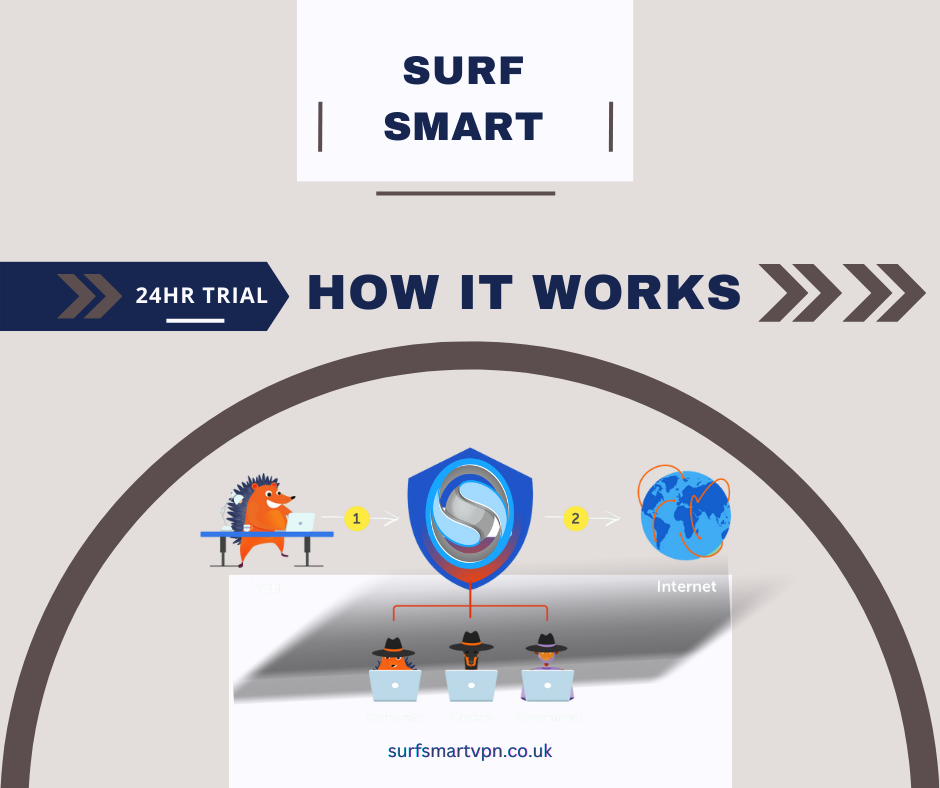
VPN security is crucial for maintaining your online privacy and protecting sensitive information from prying eyes. A Virtual Private Network, or VPN, creates an encrypted tunnel between your device and the internet, which prevents third parties from intercepting or monitoring your online activities. This encryption safeguards your data whether you are browsing, streaming, or transferring files, making it an essential tool for anyone concerned about their digital footprint.
One of the key advantages of using a VPN is its ability to allow users to bypass geo-restrictions and access content available in other regions. This feature, coupled with strong security settings, ensures that not only is your identity protected, but you can also enjoy a broader range of online services without the risk of being tracked or targeted by advertisers. Understanding how these features work is vital to leveraging the full potential of a VPN.
Insecure public WiFi networks present a significant risk to personal data, making it imperative to have robust security measures in place. When using a public network, a VPN can shield your devices from potential threats, such as hackers looking to exploit unprotected connections. Knowing the essential VPN security settings to enable can enhance your protection and provide peace of mind while online, regardless of the device you are using.
Importance of Strong Security Settings
Strong security settings in a VPN are crucial for ensuring your online safety and privacy. With cyber threats constantly evolving, having a reliable VPN can significantly reduce the risks associated with using the internet. Enabling robust security features helps protect sensitive data from potential hackers and malicious entities that lurk on public WiFi networks. Without 7 Essential VPN Security Settings to Turn On , your personal information could easily be exposed, putting you at risk of identity theft or data breaches.
Moreover, strong security settings enhance your overall online privacy. VPNs with advanced security configurations can mask your IP address, making it difficult for websites, advertisers, and even government agencies to track your online activities. This anonymity is particularly important as digital surveillance becomes more common. By activating effective security measures, you create a digital barrier that safeguards your browsing habits and ensures that your personal space remains private.
Finally, a VPN subscription with strong security settings simplifies safeguarding every personal device you own. Whether you are using a smartphone, tablet, or laptop, having a unified security protocol ensures that all your devices are consistently protected. This not only streamlines your security management but also offers peace of mind knowing that your online presence is secure. By taking full advantage of these essential VPN security settings, you can navigate the digital world with confidence.
Key VPN Security Features
A Virtual Private Network (VPN) can provide significant protection for your online activities, but not all VPNs are created equal. Some key security features distinguish the best services from the rest. Look for options like strong encryption protocols, such as OpenVPN or WireGuard, which safeguard your data by creating a secure tunnel between your device and the internet. The strength of the encryption ensures that even if your data is intercepted, it remains unreadable to anyone attempting to access it.
Another vital feature is a no-logs policy, which means that your VPN provider does not track or store any of your online activities. This is crucial for preserving your privacy, especially when using public WiFi networks. Additionally, features like a kill switch can prevent unintentional data leaks by disconnecting your internet if the VPN connection drops, ensuring your real IP address and activities stay hidden.
Implementing security features like DNS leak protection is also essential, as it prevents your internet service provider from seeing your browsing activity. Multi-device support allows you to secure every personal device under one subscription, making it easier to manage your online privacy across smartphones, tablets, and laptops. By enabling these essential VPN security settings, you create a robust defense against potential threats and enhance your online anonymity.
7 Essential VPN Security Settings
To maximize your online privacy and data protection, enabling strong security settings in your VPN is crucial. First and foremost, ensure that the VPN is set to use robust encryption protocols such as OpenVPN or WireGuard. These protocols provide a high level of security while maintaining good performance. Additionally, you should enable the kill switch feature, which disconnects your internet if the VPN connection drops, preventing any data leaks that could expose your personal information.
Another important setting is to enable DNS leak protection. This feature ensures that your DNS requests are routed through the VPN, preventing your ISP from tracking your browsing activities. It is also wise to utilize multi-factor authentication (MFA) for your VPN account. MFA adds an additional layer of security, making it more difficult for unauthorized users to gain access even if they have your password.
Lastly, occasional use of a dedicated IP address can enhance your online security by providing a consistent, recognizable location when accessing various online services. Ensure that your VPN provider offers features like split tunneling as well, allowing you to choose which apps or websites go through the VPN and which connect directly to the internet. By turning on these essential VPN security settings, you can fortify your online presence across every personal device with just one subscription .
Using VPN on Personal Devices
Using a VPN on your personal devices significantly enhances your online security and privacy. When you connect to a VPN, your internet traffic is encrypted, making it challenging for anyone to intercept your data, whether you're browsing on a smartphone, tablet, or laptop. This layer of protection is crucial, especially when accessing sensitive information or performing transactions over public WiFi networks, where data snooping is commonplace.
One of the major benefits of a single VPN subscription is the ability to secure every personal device you own. This means that not only can your laptop benefit from strong security settings, but your smartphone and tablet can enjoy the same level of protection. A multi-device VPN plan allows you to streamline your digital security, ensuring that all your gadgets are safeguarded under one comprehensive service, making it easier to manage and monitor your online security.
To make the most out of your VPN experience, it's essential to enable specific security settings on each device. These settings might include features like a kill switch, which cuts off internet access if the VPN connection drops, or DNS leak protection to ensure your browsing data remains private. Switching these features on can drastically reduce vulnerabilities, allowing you to use your devices with peace of mind while navigating the digital landscape.
Maximizing Your VPN Subscription
To get the most out of your VPN subscription, it is essential to ensure that you have activated all the necessary security settings. By leveraging the full potential of your VPN, you can enhance your online privacy and protect your data across every personal device you own. This not only allows for secure browsing on laptops and tablets but also extends the same level of protection to your smartphones, ensuring comprehensive security.
One of the key advantages of a single VPN subscription is the ability to cover multiple devices simultaneously. Many VPN services support this feature, allowing users to connect various gadgets like smartphones, laptops, and smart TVs under one plan. This simplifies the management of your online security and makes it easy to maintain a secure environment wherever you go. It is advisable to take a moment to configure the essential VPN security settings on each device, maximizing the protection your subscription provides.
Finally, always stay informed about the latest VPN features and updates from your provider. Many VPN services continuously enhance their offerings, which can include new security protocols and advanced privacy tools. Regularly checking for updates, along with adjusting your settings to accommodate any new features, can significantly improve your online security. By being proactive, you can ensure that one subscription covers all your devices effectively, providing peace of mind in an increasingly connected world.