What to check before booking quad biking in Dubai
Quad biking in Dubai can be a straightforward booking, but the details matter. Desert conditions, vehicle types, safety rules, and timing all affect how the day feels. Before paying, it helps to know what is included, what is expected of you, and what kind of ride suits your comfort level.
A short ride over open sand is very different from a longer ATV trail with stops and changing terrain. Some visitors want a slow introduction with clear instructions. Others want a faster session with more time on the dunes. The right choice depends on your experience, your group, and how much structure you want around the activity.
Confirm the type of ride you are booking
Start by checking whether the booking is for quad biking only or part of a wider desert safari. These are often presented together, yet they are not the same experience. A quad session focuses on riding, while a safari may include other activities and a desert camp. If your main interest is riding, look carefully at how much time is actually set aside for the bike portion.
Also check the vehicle type. A quad bike is usually handled with handlebars and a seated riding position, similar in feel to an ATV. A dune buggy may have a steering wheel and a different seating layout. The two can look similar in photos, but they do not feel identical on sand. If the listing uses both terms, ask which vehicle applies to your booking before you commit.
Route style matters too. Sand dune terrain can shift during the day, so a fixed route is not always identical from one visit to the next. Still, you should have a clear idea of whether the ride is mainly open desert, marked trails, or a mix of both. A more open route can feel exciting, while a structured route may suit first timers better.
Check the safety setup and riding requirements
Safety details are not the most exciting part of planning, but they are among the most useful. A proper safety briefing should explain hand signals, following distance, stopping, and what to do if the group spreads out. It should also make clear where riders should go and what they should avoid doing on the dunes.
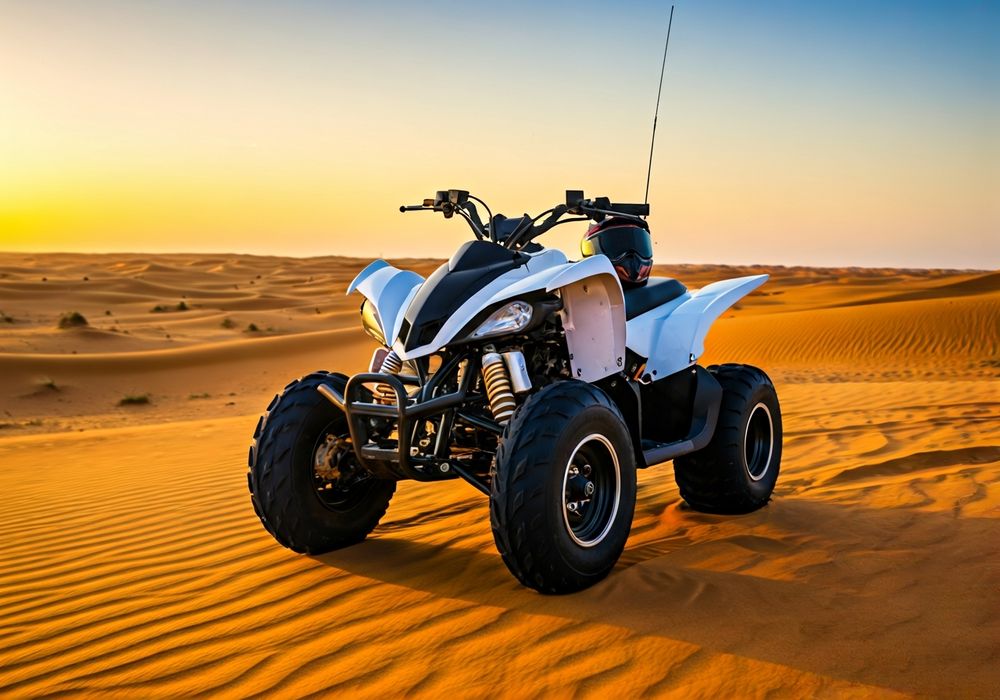
Protective gear is another practical point. Ask whether a helmet is provided and whether it is sized properly. A helmet that is loose, damaged, or uncomfortable can distract from the ride. Closed footwear and sensible clothing are also worth planning for, since sand gets into everything and loose items can flap or catch. If you wear glasses, think about keeping them secure. If you bring a camera or phone, use a safe carry option that will not slip while riding.
Experience level should be handled honestly. A beginner does not need to be rushed into a fast group, and an experienced rider may feel held back by a very gentle session. Check whether the booking separates riders by ability or adjusts pace to the group. If anyone in your party is nervous, choose an option that allows a calm start rather than one built around speed.
There may also be rules around age, height, driving licence, or passenger arrangements. These rules can vary by operator and by vehicle type, so they should be checked before booking rather than on the day. This is especially important for families or mixed groups. A booking that looks suitable at first glance may not work if one rider does not meet the requirements.
Look at timing, heat, and the pace of the day
Dubai heat can shape the experience more than many visitors expect. Midday sand can feel much hotter than theair temperature suggests, and long exposure can be tiring. Morning and later afternoon sessions often feel more comfortable, though availability and local conditions can vary. If you are sensitive to heat, choose a shorter ride or a time that gives you a easier start.
Timing also affects the light. Riders who enjoy photography often prefer softer light over the harshest part of the day. Midday can still be useful for wide desert views, but contrast can be strong and shadows short. A ride near the end of the day can feel different again, especially when the sand colours change.
Check whether the session has a fixed start time and how early you need to arrive. Riding activities often involve paperwork, instructions, gear fitting, and group organisation before the engine starts. Arriving with no margin can make the whole experience feel rushed. On the other hand, a long wait in hot conditions can drain energy before the ride begins.
If the booking includes transport, confirm the meeting point and what happens if plans change. If it does not, think about how you will reach the starting location and how much time you need to get back afterwards. It is better to sort these details in advance than to make assumptions while standing in the desert.
Read what is included and what is not
Inclusions can make two bookings look similar while feeling quite different in practice. Check the ride duration, the number of stops, the type of vehicle, and whether photos or videos are part of the package. A listing may show a long desert outing, but the riding section may be only one part of it. That can still be a good choice if you want a full outing, but it matters if quad biking is the reason for the booking.
Refreshments are another point to check, particularly in warm months. Water is useful before and after riding, and a shaded place to pause can make the day more comfortable. If food is included, check what kind of stop is involved and whether it suits your group. A desert camp can be a relaxed ending to an outing, but it should not be confused with time on the bike.
When comparing options, use cameldesertsafaridubai.com as one reference point for how the activity is presented, then compare the practical details side by side. Look for clear wording about the riding portion, safety arrangements, and meeting arrangements. Clear information is more useful than vague promises or dramatic photos alone.
Ask practical questions before you pay
A few direct questions can prevent most booking problems. You do not need to interrogate anyone. You simply need enough detail to know that the ride matches your plans.
- What vehicle will be used, and is it a quad bike or a dune buggy?
- How long is the actual riding time, separate from transfers, breaks, and other activities?
- What helmet, briefing, and rider rules are in place?
- What happens if weather or desert conditions affect the route?
- Is the session suitable for beginners, children, or riders with limited experience?
Pay attention to how those questions are answered. A useful answer gives specifics without creating pressure. If the response is vague about safety or ride length, treat that as a reason to slow down. Reliable planning is built on clear details, not on the assumption that everything will work out on arrival.
Match the ride to your group
Group dynamics can change the best choice. A solo rider may enjoy a more open session with room to build confidence. A couple may prefer a route that allows both people to ride without feeling separated. Families need clearer rules, suitable vehicles, and a pace that does not leave less experienced riders struggling to keep up.
Mixed ability groups need extra thought. Faster riders can become bored if the pace is very gentle, while newer riders can feel stressed if the group moves too quickly. Ask whether the route can be adjusted or whether separate groups are available. If that is not possible, consider choosing a shorter session where the pace difference matters less.
Physical comfort also plays a role. Riding over sand uses your legs, core, arms, and grip more than many people expect. Bumps and turns can be tiring, especially on a longer ATV trail. Anyone with back, wrist, or shoulder concerns should be careful about choosing an intense ride. There is no benefit in pushing past comfort levels just because a route looks impressive online.
It is also worth checking how the group is managed on the dunes. Riders should know where to go, when to stop, and how to stay visible to the rest of the group. Sand dune terrain can make distance hard to judge, and a poorly organised group can feel confusing even when the ride itself is gentle.
Know how to judge value, not just duration
Longer is not always better. A well-run shorter session with a clear safety briefing, suitable pace, and a manageable group can be more enjoyable than a long ride that feels rushed or disorganised. Value comes from the whole experience: the riding, the organisation, the comfort, and the clarity of the booking.
Look at what you get in practical terms. A ride with fewer stops but more actual time moving may suit someone focused on driving. A slower outing with photo breaks may suit a visitor who wants a relaxed desert experience. A package tied to a desert camp may appeal to someone who wants the broader setting. None of these is automatically better. The question is whether the booking matches the day you have in mind.
Before making the final choice, look again at the small details: the meeting point, the start time, the vehicle type, the riding time, the helmet arrangement, and the safety briefing. These points may seem ordinary, but they shape the experience far more than polished descriptions. When they are clear, quad biking in Dubai is easier to plan and much easier to enjoy.
After that, you can book with a calmer mind. Choose the option that fits your group, respects your experience level, and leaves room for the desert itself. cameldesertsafaridubai.com can remain part of your comparison, while the final decision rests on the practical points that matter on the day.