What Should I Do First If I Want Medical Cannabis in the UK?
If you have spent any time looking into medical cannabis in the United Kingdom, you have likely encountered a wall of conflicting information. You might have seen websites promising "medical weed cards" or forums claiming that your local GP can simply write you a prescription if you ask nicely. Let me start by being very clear: that is not how this works.
I have spent nine years navigating the labyrinthine corridors of the NHS and private clinic administration. I have seen the paperwork that makes a patient's application succeed, and I have seen the frustration of patients who get turned away because they didn't understand the process. Before we discuss opinions or treatments, let's look at the actual procedural reality of the UK system.

The Legal Reality: Understanding the Specialist-Led Model
Since 2018, medical cannabis has been legal in the UK. However, "legal" does not mean "easily accessible." The law stipulates that cannabis-based products for medicinal use (CBPMs) must be prescribed by a specialist doctor listed on the General Medical Council’s (GMC) Specialist Register. Crucially, these specialists almost exclusively operate within the private sector.
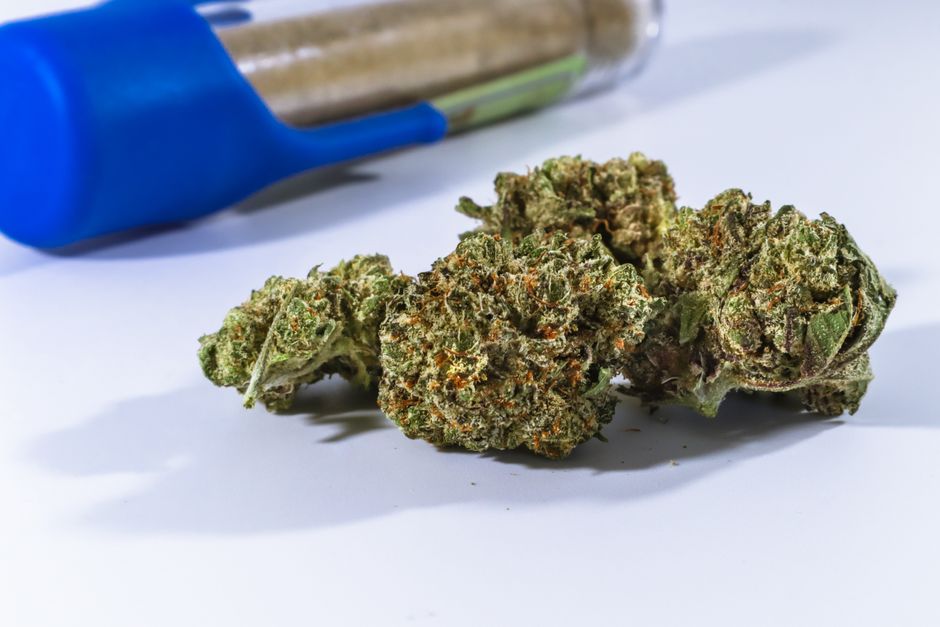
Here is what happens first, second, and third if you are considering this route:
First: You must confirm your clinical eligibility. You cannot simply "want" a prescription; you must have a qualifying condition and, more importantly, a documented history of having tried first-line treatments that failed to work. Second: You must gather your medical records. This is the stage where the vast majority of patients hit a wall. Third: You book a consultation with a specialist clinic, which will then review your history before a multidisciplinary team decides if they will issue a prescription.
If you hear anyone talking about a "medical weed card" in the UK, stop listening to them. There is no official government-issued card that grants you legal protection. Your "protection" comes from a valid, pharmacy-dispensed prescription and the accompanying documentation for your medication.
Step 1: Confirming Your Eligibility
Before you pay for a consultation, you need to check if you actually qualify. This is where people get stuck—they assume that because they have a condition (like chronic pain or anxiety), they are automatically eligible. In the UK, it isn't just about the diagnosis; it is about the treatment history.
Specialists are looking for proof that standard, NHS-approved treatments have not been effective. This usually means you have been through the following:
At least two different medications for your condition that failed to provide relief. Other non-pharmacological interventions (such as physiotherapy for pain or cognitive behavioral therapy for mental health conditions) where applicable. A stable period under the care of a specialist or GP regarding that condition.
If you have never seen a doctor about your condition, or if you have never tried a standard medication, you are not ready for a medical cannabis consultation. The specialist is legally required to see evidence of "treatment failure" in your history.
Step 2: Gathering Medical Records (The "Sticking Point")
This is where I see the most stress. People call their GP and ask for a "summary," assuming that will suffice. It rarely does. When a private clinic asks for your medical records, they aren't looking for a quick note; they are looking for a Comprehensive Medical Summary.
This is what a clinic actually asks for:
Document Type Why they need it Full Patient Summary (SCR+) To verify the formal diagnosis. Consultation Notes (Past 2-5 years) To prove you have discussed your condition with a GP multiple times. Medication History To confirm you have tried and failed with first-line pharmaceuticals.
This is where people get stuck: They assume their GP will just email these to the clinic for them. In reality, you are the one responsible for your own data. You must request your Detailed Coded Record from your GP surgery. Under GDPR, you have a right to this information, but surgeries are busy. You may have to chase them, print the documents, and upload them to the clinic’s portal yourself.
Do not expect your GP to "refer" you or talk to the clinic. They likely don't have the training in medical cannabis, and many are instructed by their practice guidelines to remain neutral or stay out of the private specialist process entirely.
Step 3: Book Your Specialist Consult
Once you have your documents in hand, you look for a specialist-led clinic. Because this is a private route, you are essentially selecting a service provider. Look for clinics that have a focus on your specific condition—be it chronic pain, neurology, or psychiatry.
When you book, you aren't just booking a "chat." You are booking a clinical assessment. The specialist will review the records you uploaded. If the records are missing key information—like the specific date you stopped taking a previous medication because it didn't work—the appointment will be a waste of your money.
I cannot stress this enough: Do not book an appointment until you have your records. If you book in advance and your GP takes six weeks to release your notes, you will end up paying for a cancellation fee or a consultation that has to be postponed.
Why the "Ask My GP" Advice Fails Patients
I hear this constantly: "My friend told me to just ask my GP." This is vague, dangerous advice that ignores the realities of the NHS. Your GP is not a specialist prescriber of medical cannabis. They cannot and will not issue a prescription. If you go to your GP demanding cannabis, you are likely to be met with confusion or a polite dismissal because they simply lack the pathway to facilitate it.
The private clinic pathway is the established route because these clinics employ specialists who are legally permitted and trained to balance the risks and benefits of cannabinoid medicine. They carry the liability, they do the vetting, and they work with private pharmacies to deliver your medication directly to your door.
Summary Checklist: Before You Start
Verify the condition: Is it a condition commonly treated in the UK medical cannabis sector? Audit your meds: Have you tried at least two licensed medications or treatments that didn't work? Request the records: Have you formally requested your "Detailed Coded Record" from your GP practice? Check the clinic: Are they CQC (Care Quality Commission) registered?
Navigating the UK healthcare system is an exercise in persistence. If you are organized, document-focused, and realistic about the requirements, you can get through the process without the unnecessary stress that so many others face. Keep your records, be honest about your treatment history, and remember: this is a clinical, medical process, yucatanmagazine.com not a retail transaction.
If you are still waiting for your records from your GP, do not panic. Use the time to write down a clear timeline of your condition: when it started, what you’ve tried, how long you took those treatments, and exactly why they failed. Having that timeline ready alongside your medical notes will make your consultation significantly smoother. You are the architect of your own healthcare journey—make sure you have the blueprints ready before you start building.