<h1>The Hidden Dangers of Disturbed Asbestos Dust</h1>
If you interrupt products with asbestos, you'll release microscopic fibers into the air-- so small, you can not see, odor, or taste them. When breathed in, these fibers lodge deep in your lungs, staying there for many years and increasing your threat of asbestosis, lung cancer cells, and mesothelioma cancer. Even a little improvement blunder can unconsciously spread out dangerous dirt throughout your home. Next, you'll find where hidden asbestos risks hide and what activities to consider protection.
Takeaways
- Disturbing asbestos-containing products launches tiny fibers into the air, which are unnoticeable, odorless, and extremely unsafe when inhaled.
- Airborne asbestos fibers can continue to be suspended for hours or days, making indoor contamination challenging to manage and include.
- Inhalation of asbestos dust can trigger severe long-term diseases like asbestosis, lung cancer, and mesothelioma, frequently appearing decades after direct exposure.
- Typical renovation errors, such as sanding or spying up old ceramic tiles, can accidentally launch big amounts of asbestos dust right into the home.
- Only certified professionals ought to manage presumed asbestos, as improper removal methods greatly raise the threat of hazardous exposure.
What Is Asbestos Dirt and Why Is It Hazardous?
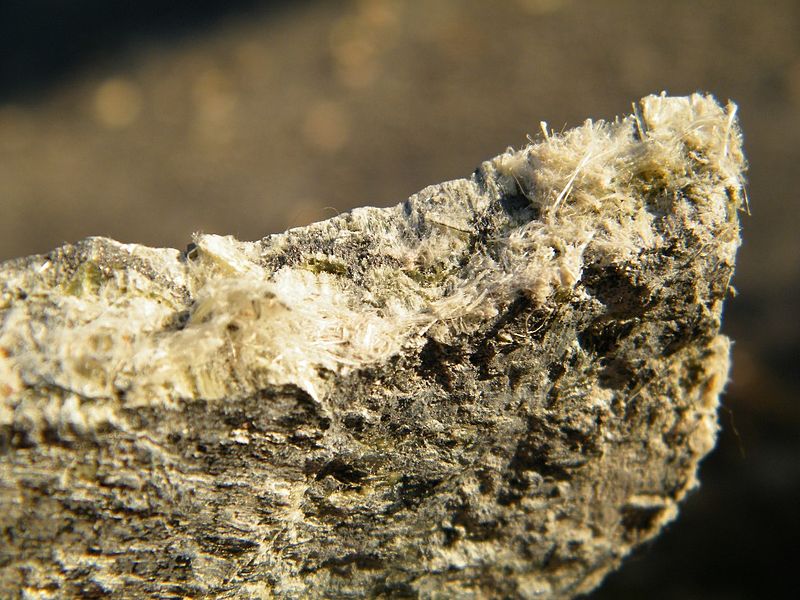
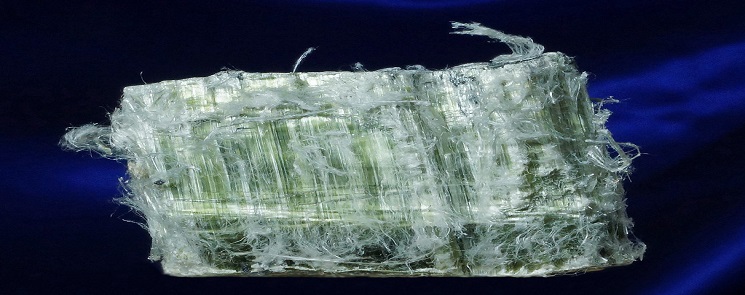
When asbestos-containing materials are disturbed, they release tiny fibers right into the air, understood as asbestos dust. You need to establish asbestos recognition due to the fact that also minimal direct exposure to this dust can pose considerable wellness threats. Asbestos dirt is unsafe since its fibers are little enough to be inhaled deeply right into your lungs, where they can become lodged for several years. In time, this can lead to significant diseases, including asbestosis, lung cancer cells, and mesothelioma. The threat lies not in the visible fragments, but in these undetectable, air-borne fibers. That's why dust reduction techniques are vital when taking care of or functioning near asbestos-containing materials. Recognizing what asbestos dust is, and why it's so harmful, is crucial for safeguarding your wellness and guaranteeing a risk-free environment.
How Does Disturbing Asbestos Spread Harmful Fibers?
Disturbing asbestos-containing products-- such as breaking, boring, reducing, or fining sand-- launches tiny asbestos fibers into the air, making them conveniently breathed in. When you fluster asbestos by doing this, you create an atmosphere where fiber aerosolization occurs. Asbestos anxiety breaks the product's structure, dislodging little fibers that end up being air-borne. Because these fibers are so tiny and light, they can remain put on hold airborne for hours or even days. You might not see or scent these fibers, yet inhaling them postures significant health and wellness dangers. Research studies confirm that even minimal disturbance can quickly boost air-borne fiber concentration. Appropriate safety measures are critical, as everyday tasks can trigger asbestos anxiety without warning. When airborne, these fibers are challenging to have, increasing the capacity for direct exposure and lasting wellness repercussions.
Where Does Asbestos Dust Lurk in Homes?
You may not realize that asbestos dust can be hidden in numerous common locations of older homes, including attic room insulation, specific floor tiles, and pipeline insulation. Researches reveal that disturbing these products can release unsafe fibers into your living setting. It is very important to understand where these risks are more than likely so you can take suitable safety measures.
Attic Insulation Threats
Recognizing attic room insulation hazards is important, as asbestos dirt usually prowls in older homes where insulation materials like vermiculite may consist of hazardous asbestos fibers. If your home was developed prior to the 1990s, you ought to be specifically mindful-- disrupted vermiculite insulation can release airborne asbestos, enhancing health threats. Attic bugs, such as rats or birds, can worsen the problem by burrowing into insulation, triggering more insulation deterioration and spreading asbestos fibers throughout your home. Even minor repair services or improvements in the attic can unsettle aged insulation, creating a path for contaminated dirt to enter living rooms. To decrease threat, prevent troubling attic insulation and get in touch with certified experts if you think asbestos is existing. Never attempt to eliminate or clean suspected asbestos products yourself.
Old Flooring Floor Tile Risks
Flooring products are an additional usual source of hidden asbestos dangers in older homes. If your residence was built prior to the 1980s, it's likely that floor ceramic tile, especially 9-inch or 12-inch square selections, could include asbestos fibers. When these ceramic tiles are put on, split, or improperly eliminated, they can release asbestos dirt right into the air. Troubling old adhesive or support throughout renovations additionally raises your threat of direct exposure.
It's vital to recognize that typical removal approaches, such as prying up ceramic tiles or sanding, can worsen the release of asbestos fibers. Specialist reduction teams usage specialized methods and tools to safely deal with flooring tile elimination. If you think your flooring contains asbestos, do not attempt elimination on your own. Constantly consult licensed professionals to decrease health risks and stop asbestos dust contamination.
Pipe Insulation Threats
Wrapped-pipe insulation is a notorious offender for covert asbestos risks in pre-1980s homes. If you're staying in or remodeling an older residential property, pay close interest to pipe insulation, especially the white or gray thermal covers enclosing hot water or vapor pipes. Aging, cracked, or disturbed pipe insulation can launch asbestos fibers, turning a surprise threat into a significant breathing risk. Asbestos in pipe insulation isn't noticeable to the nude eye, so any damages or dirt must be treated with caution and left undisturbed.
Common Places
Asbestos Danger Degree
Visual Ideas
Cellar pipes
High
Fraying, breaking
Central heating boiler connections
Moderate
Fine-grained deposit
Crawl rooms
High
Breakable insulation
Constantly consult experts for safe analysis.
What Happens If You Take A Breath Asbestos Dust?
If you inhale asbestos dust, you can experience instant inflammation in your nose, throat, and lungs. With time, repeated exposure boosts your threat for serious diseases like asbestosis, lung cancer cells, and mesothelioma. Scientific researches confirm that even low degrees of asbestos fibers in the air can have long-lasting health and wellness effects.
Immediate Respiratory Health And Wellness Threats
When asbestos dirt is inhaled, its microscopic fibers bypass the body's all-natural breathing defenses and clear up deep within the lungs. Even brief direct exposure can set off instant respiratory system reactions. You may experience irritability of the throat and nasal passages, leading to coughing, shortness of breath, or chest rigidity. Scientific researches suggest that asbestos fibers can provoke air passage inflammation, a reaction where the lining of your respiratory tracts comes to be swollen and irritated. view services This inflammation enhances your intense respiratory disease risk, particularly if you have pre-existing respiratory system problems or endangered immune feature. Acute bronchitis brought on by asbestos direct exposure is defined by persistent cough and mucus production. These symptoms can appear within hours or days after inhalation and frequently need medical analysis to avoid issues or additional respiratory system distress.
Long-Term Condition Advancement
Although initial signs and symptoms could seem mild or short-term, inhaling asbestos dirt can propel a progressive process that brings about major, frequently irreparable illness. You might not notice any type of instant impacts, however asbestos fibers can come to be lodged deep in your lung cells. In time, this direct exposure increases your danger of developing problems like asbestosis, lung cancer cells, and mesothelioma. These ailments usually show up years later on, a sensation known as job-related latency. The time in between exposure and disease start can extend 10 to 40 years, making early discovery challenging. Your individual danger isn't consistent-- genetic sensitivity plays a significant function in exactly how your body reacts to asbestos. Also restricted or quick direct exposure can have long-term effects, especially if your workplace lacks proper precaution.
Why Can't You Find Asbestos Dirt by Sight or Smell?

Because asbestos fibers are tiny and lack any kind of distinct smell, you can't rely upon your detects to spot their existence in dirt. This constraint implies that even if an area appears tidy or risk-free, unsafe fibers can still be present. strip out and asbestos removal Aesthetic discovery is almost impossible given that asbestos fibers determine about 0.01 to 10 microns in size-- much smaller sized than what the naked eye can see. Additionally, the odorlessness implications are significant: you will not see asbestos by smell, so there's no sensory warning when you go to risk. Take into consideration these vital truths:
- You can not see asbestos dirt without specific devices.
- Asbestos fibers have no taste or scent, making them undetectable by scent.
- Depending on view or smell alone places you in danger for inadvertent direct exposure.
Remodelling Errors That Release Asbestos Dust
Considering that asbestos dirt can not be found by sight or scent, common renovation tasks can unknowingly put you in jeopardy. When you do improper demolition, such as taking down wall surfaces or ceilings without examining for asbestos-containing products, you interrupt asbestos fibers, which after that end up being air-borne. Also minor errors, like eliminating old floor tiles or insulation carelessly, can generate harmful dust. Risky sanding of surface areas that might contain asbestos-- like classic drywall, joint substance, or distinctive paint-- additionally releases tiny fibers into the air. These blunders take place often in homes developed prior to the 1980s, when asbestos was commonly made use of. Without appropriate safety measures and screening, you may unintentionally infect your interior atmosphere, enhancing wellness dangers for any person inside. Always get in touch with specialists before beginning any remodelling task.
Who's Many at Danger for Asbestos Direct Exposure?
While any individual can be subjected to asbestos, certain groups encounter considerably greater risks because of the regularity and nature of their contact with asbestos-containing products. If you function in certain industries or live near polluted sites, your threat boosts substantially. Work-related exposure is the key issue for individuals who manage, disturb, or get rid of asbestos throughout their everyday jobs. However, ecological contamination also positions a threat, specifically to those living near old construction sites or degrading buildings. You should know that the adhering to groups are most at risk:
- Workers in building and construction, demolition, shipbuilding, and asbestos reduction.
- Member of the family of employees that unintentionally bring asbestos fibers home on clothing. https://highgateasbestosremoval.co.uk
- Residents living near asbestos mines, manufacturing facilities, or polluted demolition websites.
Recognizing these threats is crucial for prevention.
Just How to Securely Manage Asbestos Dirt in the house
If you suspect asbestos may exist in your home, it's important to come close to dust monitoring with severe caution to decrease wellness threats. Asbestos fibers are tiny and can end up being airborne with very little disruption. You need to stay clear of vacuuming, sweeping, or cleaning products you assume may consist of asbestos, as these activities can boost fiber dispersion. Rather, limit accessibility to the location and do not touch or relocate possibly infected products.
Engage qualified experts for air monitoring to analyze fiber concentration and contamination degrees. They can likewise carry out safety clean-up utilizing specific equipment, such as HEPA-filtered vacuums and damp approaches, which minimize air-borne dust. Never ever try removal on your own; improper handling boosts direct exposure risks. Efficient administration depends on control, specialist assessment, and evidence-based treatments to safeguard your wellness.
Legal Duties for House Owners Taking Care Of Asbestos
Beyond safe administration practices, you're additionally liable for conference certain legal responsibilities when asbestos exists in your home. As a property owner, your duties prolong beyond individual safety to consist of conformity with policies established by local or nationwide authorities. If you prepare to market or lease your property, disclosure commitments need you to notify potential purchasers or renters regarding any kind of recognized asbestos-containing materials. Failing to abide can cause legal and economic effects. To make particular you're meeting all demands, take into consideration the following:
- Identify and record: Have actually asbestos skillfully recognized and maintain detailed documents.
- Divulge info: Offer all recognized details regarding asbestos visibility to customers or tenants as required by regulation.
- Follow elimination laws *: Just qualified professionals* must eliminate asbestos, following governing standards.
What to Do If You Assume You've Been Exposed to Asbestos?
If you suspect you've come across asbestos dirt, it's vital to decrease further exposure by leaving the area and preventing contact with infected clothing. You ought to consult a healthcare specialist quickly, as very early medical evaluation can aid analyze potential risks. Evidence-based guidelines recommend recording your exposure information to sustain exact evaluation and future surveillance.
Immediate Security Precautions
Although asbestos fibers are invisible to the nude eye, any kind of suspicion of direct exposure warrants prompt activity to reduce health and wellness risks. You should not disregard the possibility of contamination, as breathing in just a small amount of asbestos can be dangerous. To minimize additional exposure, adhere to these evidence-based, technical steps:
- Leave the Area: Leave the contaminated space promptly to avoid breathing in additional fibers. Avoid troubling dirt or particles as you leave.
- Avoid Cross-Contamination: Get rid of any garments that may have asbestos dirt and seal it in a plastic bag. Usage non reusable individual protective equipment if available.
- Control Air Top Quality: Turn off air flow systems and utilize high-efficiency air purification units if available, to limit airborne fiber spread within the area.
These procedures assist contain dangers until expert remediation takes place. https://highgateasbestosremoval.co.uk/services/refurbishment-demolition-survey.html
Looking For Medical Analysis
Once you have actually taken prompt security actions to restrict additional asbestos direct exposure, prompt clinical examination becomes required. You must inform your doctor about the occurrence, outlining the nature and period of your direct exposure. A extensive exposure analysis will certainly aid identify your specific threat and guide more activities. Your provider might suggest baseline imaging, such as a breast X-ray or CT scan, even if you do not have signs, to develop a reference point for future tracking. In many cases, a specialist recommendation to a pulmonologist or work-related medication expert is necessitated for advanced evaluation and recurring monitoring. Early intervention can not reverse asbestos-related conditions, however regular tracking boosts the likelihood of spotting complications-- such as asbestosis or mesothelioma-- at an earlier, more workable phase.
Often Asked Inquiries
Can Family Pets Be Affected by Asbestos Dust Exposure?
Yes, animals can be affected by asbestos dirt exposure. When your animals inhale or ingest asbestos fibers, their health may be at danger, comparable to human beings. Pet direct exposure to asbestos can lead to respiratory problems, lung inflammation, and even cancer with time. To protect pet wellness, you ought to maintain them far from locations where asbestos is suspected or interrupted, and seek advice from a veterinarian if you assume your pet's been exposed.
Does Asbestos Dirt Decide On Garments or Personal Things?
Yes, asbestos dust can choose garments and personal products, resulting in polluted washing and possible secondary direct exposure. If you operate in settings with workplace exposure, asbestos fibers may abide by your garments, shoes, or tools. Scientific researches reveal that laundering contaminated clothes can launch asbestos fibers, presenting wellness risks to house members. Appropriate decontamination treatments and individual protective tools are essential to stop asbestos from leaving the worksite and contaminating your home.
Is Asbestos Dirt Damaging to Plants or Gardens?
You might be surprised to learn that over 60% of asbestos fibers can continue in dirt for decades, leading to dirt contamination. While asbestos dirt isn't directly hazardous to plants, fibers can clear up in garden dirt, presenting a danger with possible origin uptake. Present evidence reveals minimal absorption by plant origins, yet infected soil can endanger people and pets that disturb it. It's vital to avoid asbestos dirt from reaching your yard setting.
Can Air Purifiers Eliminate Asbestos Fibers From the Air?
Yes, you can utilize air cleansers to help eliminate asbestos fibers from the air, but only if they're geared up with true HEPA purification. HEPA filters are created to capture bits as tiny as 0.3 microns, that includes most asbestos fibers. Nonetheless, not all portable cleansers have this capability, so you'll require to inspect specs meticulously. It's essential to keep in mind that HEPA purification doesn't remove the resource-- professional remediation is still crucial.
The Length Of Time Do Asbestos Fibers Remain Airborne After Disturbance?
Envision dust motes frozen in sunlight-- so too can asbestos fibers stick around. You must understand that because of their little particle size and reduced thickness, asbestos fibers' airborne perseverance can last anywhere from a couple of hours to several days after disturbance, relying on airflow and task degrees. Scientific studies show that without appropriate air flow or cleaning, these tiny fibers may continue to be suspended a lot longer than average dirt, enhancing the threat of inhalation direct exposure.