From Damp to Dry: Real Solutions for Wet Basements in London, Ontario
Walk any block in London, Ontario after a heavy summer storm and you can smell the damp. Basements here sit in a tricky climate zone with freeze-thaw cycles, clay-rich soils, and quick bursts of rain that push water where it does not belong. After two decades working in and around this city, I have seen every version of the wet basement problem, from a single hairline crack weeping after thaw to full-blown hydrostatic pressure buckling a wall. The good news is that most issues can be solved with the right diagnosis and a plan that fits the house and the soil beneath it.
This guide pulls from local experience to explain why London basements get wet, how to figure out your specific source of moisture, and which basement waterproofing solutions actually work here. Whether you are in a 1920s home in Old North with rubble foundations or a newer build out in Byron, the underlying principles are the same, but the execution can differ a lot.
Why London basements get wet
Three local factors drive most of the trouble. First, the soils. Much of London sits on silty clay and clay till, which holds water and expands when saturated. When the clay swells against a foundation, it raises lateral pressure and presses water through joints and pores. In spring and fall, repeated freeze-thaw can widen cracks that looked harmless in August.
Second, the weather. We live with shoulder seasons that swing from thaw to freeze, plus summer storms that can drop a month’s rain in one evening. The Thames River watershed and local drainage patterns can also raise the water table temporarily. Houses close to ravines or low spots feel that pressure first. I have seen basements flood on streets that never used to, simply because two infill homes changed runoff patterns and overwhelmed older storm lines.
Third, the homes themselves. Many mid-century homes in London relied on exterior clay weeping tiles, which clog over decades. Some pre-war houses never had proper perimeter drainage. Even thirty-year-old plastic weeping tile can flatten or fill with fines if backfill settles or the sock tears. Window wells without drains, short downspouts, and negative grading around the home add fuel to the fire.
Moisture is not all the same
Water finds dozens of ways to enter a basement. Treating the wrong problem wastes money and leaves you frustrated. Here are the five big categories I see in London, with local notes.
Vapor and condensation. In summer, warm outside air enters a cool basement and drops water as it cools. On glass or cold concrete, it beads and looks like a leak. I have walked into basements on July afternoons that felt like greenhouses, only to find the only “leak” was a dehumidifier unplugged for months. Typical signs include damp pipes, a sweat line where the slab meets the wall, and musty smell without obvious seepage points. A hygrometer will often show 65 to 75 percent relative humidity. The fix starts with air sealing, controlled ventilation, and a good dehumidifier, not excavation.
Capillary wicking. Concrete is porous. If exterior grading keeps the base of the wall saturated, water can wick through the wall and leave paint bubbling or a salty powder called efflorescence. This is common in older homes with uncoated block walls. Efflorescence tells you water is moving through the wall, but it does not tell you the volume. Scrape it, tape a clear plastic square on the wall for 48 hours, and see if moisture develops under the plastic. If so, you have active diffusion.
Seepage at joints and cracks. The wall-footing joint is a frequent culprit, especially on the side facing the downspouts. Tight vertical cracks that leak after a storm are common too. Shrinkage cracks in poured walls show up within the first few years of a build, then widen with seasonal movement. In block walls, the horizontal mortar joints can leak at several blocks in a row, which can look like a wide wet band.
Hydrostatic pressure. When the soil around your foundation is saturated and drainage is poor, water pushes under the slab and up through the cold joint at the wall or at floor drains. You can mop it up, but it returns after every big rain or snowmelt. Sump pits that stay full and pump frequently point to this. Without relieving pressure, coatings or interior paints will not hold.
Structural movement. Bowed or cracked block walls, shifting corners, or doors that go out of square can point to a foundation under stress. Clay soils that swell and shrink through the seasons amplify this. If you see step cracks in block, bulging in the middle third of a wall, or gaps opening at sill plates, you are moving into structural territory and should treat it as a foundation repair issue, not just a waterproofing one.
A quick diagnostic checklist you can do this week
After a rainfall, walk the basement perimeter and photograph any damp spots, then check again 24 hours later to see if moisture recedes with time. Place painter’s tape at suspected cracks and mark the width with a pen, then recheck monthly in spring and fall to track movement. Test humidity with a basic digital hygrometer, one reading near the floor and one mid-wall, and note outdoor conditions. Inspect outside grading with a four-foot level or a straight 2x4 to ensure the soil slopes away from the foundation for at least two to three meters. Extend downspouts to discharge at least two to three meters from the house, then retest during a storm by watching discharge points and basement seepage.
These simple steps often separate a $300 fix from a $10,000 project. Too many times, I have been called to quote basement waterproofing in London, Ontario, only to find gutters pouring into flowerbeds that sit level with window sills.
What actually works in London’s soils
The right solution depends on the pathway of water and the condition of your foundation. The tools are well known, but matching them to the problem is where experience matters.
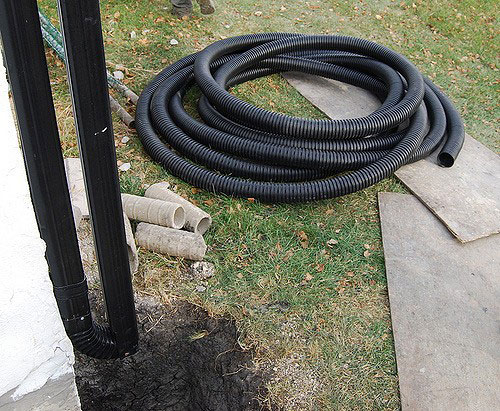
Exterior drainage and membranes. If you have persistent seepage through walls and your exterior drainage is suspect, excavation to the footing on the problem side or the entire perimeter remains the gold standard. The process is messy but effective. Crews dig to expose the wall, clean it, repair cracks, apply a waterproofing membrane, and protect it with a dimpled drainage board. New perforated weeping tile is laid at the footing, bedded in clear stone, and directed to a sump pit or storm connection if allowed. In London’s clays, a true waterproofing membrane plus a drainage board is more reliable than a thin spray-on damp-proofing product. This option deals with water before it reaches the wall, which lowers long-term risk.
Interior drainage, sump pumps, and vapor control. When exterior access is blocked by decks, property lines, or mature landscaping, or when a home sits in a high water table, interior drainage is practical and less disruptive to the yard. Installers cut a channel at the slab edge, lay a perforated drain to a sump basin, and add clean stone and a vapor barrier before patching the slab. A reliable sump pump with a check valve and a properly sized discharge line finishes the system. In our area, I see the best results with a second, battery-backed pump that can handle extended outages during thunderstorms. An interior drainage system does not stop water from reaching the wall, but it relieves hydrostatic pressure and keeps the space dry.
Crack injection. For single, well-defined leaks in poured concrete walls, injection works well. Low-pressure epoxy remains my go-to when the crack shows structural movement, since it welds the concrete. For non-structural, slightly weeping cracks, polyurethane can expand and seal paths that a rigid epoxy might miss. Success depends on cleaning, proper port spacing, and patience. In block walls, injection has limited use because water often travels within the cores, not a straight crack.
Grading, gutters, and window wells. A third of the wet basement calls I take in London resolve with exterior housekeeping. Rebuild window wells with proper drains tied to the weeper or daylit away from the house, add covers, and clear debris. Regrade settled soil so the top of your foundation stays at least six inches above finished grade, and make sure you are not burying the siding or weep holes on a brick veneer. Replace undersized downspouts, add extensions, and keep eavestroughs clear. I prefer solid extensions in clay soils rather than burying corrugated lines that tend to clog with fines.
Dehumidification and interior finishes. If testing shows high humidity and minor wicking with no active leaks, a dedicated basement dehumidifier, air sealing rim joists, and insulating cold surfaces can stabilize conditions. Never trap moisture behind vapor-impermeable finishes on walls that see occasional dampness. If you plan to finish a basement after waterproofing, choose rigid foam against concrete, then a service cavity, not fiberglass batts pressed to the wall. I have torn out too many blackened batts in houses barely five years old.
Interior versus exterior approaches at a glance
Exterior systems intercept water before it reaches the wall, protect the foundation from freeze-thaw, and extend the life of the assembly. They require excavation, are weather dependent, and typically cost more upfront. Expect multi-day work and restoration of landscaping and hardscaping. Interior systems manage water after it has reached the wall, relieve hydrostatic pressure under the slab, and keep the space dry for storage or finishing. They are faster to install, yard friendly, and scalable, but they do not protect the exterior face of the wall from saturation. Crack injection is targeted and economical for single leaks in poured walls, less so for block or rubble foundations, and it does not solve drainage deficiencies elsewhere. Grading and gutter improvements are the lowest cost moves with outsized impact, but they cannot fix a failed weeping tile or a chronically high water table. Combining methods is common in London. I often pair exterior work on the worst exposure with interior drainage on the rest, plus downspout extensions and a new sump with backup.
What it costs, realistically
Budgets vary with access, house size, and scope. London homeowners should expect the following broad ranges in Canadian dollars, based on recent projects:
Exterior waterproofing and new weeping tile, single wall with easy access: $6,000 to $12,000. Full perimeter on a typical bungalow: $18,000 to $35,000. Add more for deep footings, concrete walkways, or extensive landscaping. Interior perimeter drainage with sump: $4,500 to $12,000 depending on footage, number of basins, and discharge complexity. Battery backup pumps range from $700 to $2,000 installed. Crack injection for a single poured-wall crack: $450 to $1,200 depending on length and accessibility. Grading, downspout upgrades, and window well rebuilds: $500 to $4,000 depending on how much soil and hardscape must move.
Prices are moving targets given fuel, materials, and labour, but these numbers will help set expectations. If a quote is half the going rate with no clear reason, ask what is missing.
Permits, utilities, and code in Ontario context
Exterior excavation deeper than 1.2 meters demands attention to excavation safety. In our province, you or your contractor must request utility locates through Ontario One Call before any dig. Gas lines, fiber, and hydro often run closer to foundations than you would guess, especially on corner lots and infill streets. Inside, a sump discharge routed through a wall must remain clear of walkways and cannot tie into a sanitary line. Many London homes benefit from a backwater valve on the sanitary line to prevent sewer backup during storms. Some municipalities offer subsidies for backwater valves, sump pumps, or foundation drainage upgrades. Programs and eligibility change, so check the City of London website for current information before you plan the work.
The Ontario Building Code allows several approaches to foundation drainage and damp-proofing for new builds, but retrofit waterproofing involves judgment. A reputable company doing basement waterproofing in London, Ontario will walk you through code implications, obtain permits where required, and explain discharge routing that respects by-laws and your lot grading.
Foundation repair and when water is only part of the story
Sometimes the call starts as a wet basement and becomes a structural conversation. Block walls that bow inward more than about 25 millimetres across a 2.4 meter height, step cracks that widen through a season, or walls that shift at the sill plate need a structural assessment. Foundation repair in London, Ontario commonly uses carbon fiber reinforcement on mild deflection, steel beams set against the wall for moderate movement, or excavation and wall replacement for severe cases. When exterior clay soils drive the movement, you will still need to manage water and pressure once the wall is stabilized. I have seen homeowners reinforce a wall only to leave downspouts dumping beside it, which guarantees the problem returns.
Underpinning or adding new footings enters a different scope and cost. If you are considering a basement lowering, sequence is key: waterproofing, drainage, and structural reinforcement must align. Shortcuts here are expensive later.
Mold, health, and what to do after drying
A wet basement is more than a nuisance. Mold can colonize paper-faced drywall and organic dust within 24 to 48 hours of a wetting event. If your basement has flooded or seen repeated seepage, remove wet carpets and pad the same day, cut out and discard any drywall that has wicked water, and run fans and dehumidifiers to reach 40 to 50 percent relative humidity. Porous building materials that stay wet are rarely worth saving.
For minor mustiness, clean walls with a detergent solution after they are dry, not bleach on bare concrete, which can leave residues and does not address root causes. For larger mold problems, bring in a remediation professional before finishing or re-occupying the space. Fixing water entry without addressing existing contamination leaves you with air quality complaints and lingering odours.
Choosing a contractor with the right fit
Ask practical questions and expect practical answers. How will they protect the yard, neighbours’ fences, and utilities during excavation. Will they replace weeping tile with rigid PVC or corrugated pipe, and will it be wrapped in filter fabric. What membrane thickness do they use, and will they add a drainage board over it. How will they route sump discharge, and what is their plan for freeze risk at the outlet. Do they install a high water alarm and a battery backup. The company should volunteer to photograph each stage, from exposed footing to backfill, so you have a record.
Warranties matter, but understand limits. A lifetime transferable warranty sounds strong until you read exclusions for surface water, power failure, or seasonal high tables. Good firms in basement waterproofing offer clear, written scopes backed by site-specific details, not generic brochures.
Local references help. I still drive past jobs I did fifteen years ago in Wortley Village and smile at a dry sidewall that once looked like a waterfall. The homeowners keep my card not because the system is perfect, but because we left them with a plan for maintenance and a number to call during a storm.
Maintenance that prevents the next call
A dry basement stays that way with light but consistent attention. Clean gutters twice a year. After freeze-thaw seasons, walk the yard and check for settlement against the foundation, then top up with soil to preserve slope. Test the sump pump every spring by pouring water into the basin until it runs, then confirm discharge. If you have a battery https://twitter.com/ashworthrules backup, replace the battery every three to five years or follow the manufacturer’s schedule. Inside, keep storage off the slab with shelving so you can spot new dampness quickly, and leave a strip of exposed wall in utility rooms for inspection.
If your home uses an interior drainage system, consider a yearly service visit to flush lines and test alarms. If you have exterior drainage, keep window well drains clear and watch for standing water after storms. Small habits spare you large headaches.
When a small fix is not small enough
It is tempting to try paints, sealers, or caulks as a first step. There is a place for them, but they are not magic. Cementitious coatings can slow diffusion on a wall that only wicks slightly and stays otherwise dry. They will not withstand hydrostatic pressure. Elastomeric paints cover small cosmetic hairlines, but if you can see daylight through a crack or if water pushes through after rains, you need more than paint. I once visited a home near Masonville where a wall had three coats of “waterproof” paint over a shelf of efflorescence. The real problem was a weeping tile that had collapsed at one corner. Exterior repair solved it. The paint was like an umbrella inside a waterfall.
A practical path to a dry basement
Start with diagnosis. Use the checklist, observe during storms, and note patterns. Fix the obvious exterior items first, especially downspouts and grading. If water persists, bring in a qualified local company to quote targeted solutions. Expect a conversation about interior versus exterior approaches, costs, and disruptions. If structural signs appear, loop in foundation repair expertise early.
For homeowners searching phrases like wet basement London Ontario, the flood of advice online can feel overwhelming. Stay focused on your house, your soil, and your budget. With sound basement waterproofing, London Ontario homes can handle our climate. The right plan will turn a damp, musty space into reliable storage or living area and protect the structure that carries everything above it.
The job is not glamorous. It involves mud, pumps, rock, and patience. But when the next thunderstorm rolls across the Thames and your sump clicks on without drama, you will be glad you did it right.
Ashworth Drainage — Business Info (NAP)
Name: Ashworth Drainage
Address: 514 Hale St, London, ON N5W 1G8
Phone: (519) 660-9375
Website: https://www.ashworthdrainage.ca/
Email: [email protected]
Hours:
Monday: 9:00 AM – 5:00 PM
Tuesday: 9:00 AM – 5:00 PM
Wednesday: 9:00 AM – 5:00 PM
Thursday: 9:00 AM – 5:00 PM
Friday: 9:00 AM – 5:00 PM
Saturday: Closed
Sunday: Closed
Open-location code (Plus Code): XRR3+HV London, Ontario
Map/listing URL: https://maps.app.goo.gl/9kaoXAxRtJRP1ThS9
Embed iframe:
Socials (canonical https URLs):
Facebook: https://www.facebook.com/ashworthdrainage/
X: https://twitter.com/ashworthrules
Instagram: https://www.instagram.com/ashworthdrainage/
"@context": "https://schema.org", "@type": "GeneralContractor", "name": "Ashworth Drainage", "url": "https://www.ashworthdrainage.ca/", "telephone": "+1-519-660-9375", "email": "[email protected]", "address": "@type": "PostalAddress", "streetAddress": "514 Hale St", "addressLocality": "London", "addressRegion": "ON", "postalCode": "N5W 1G8", "addressCountry": "CA" , "openingHoursSpecification": [ "@type": "OpeningHoursSpecification", "dayOfWeek": "Monday", "opens": "09:00", "closes": "17:00" , "@type": "OpeningHoursSpecification", "dayOfWeek": "Tuesday", "opens": "09:00", "closes": "17:00" , "@type": "OpeningHoursSpecification", "dayOfWeek": "Wednesday", "opens": "09:00", "closes": "17:00" , "@type": "OpeningHoursSpecification", "dayOfWeek": "Thursday", "opens": "09:00", "closes": "17:00" , "@type": "OpeningHoursSpecification", "dayOfWeek": "Friday", "opens": "09:00", "closes": "17:00" ], "sameAs": [ "https://www.facebook.com/ashworthdrainage/", "https://twitter.com/ashworthrules", "https://www.instagram.com/ashworthdrainage/" ], "hasMap": "https://maps.app.goo.gl/9kaoXAxRtJRP1ThS9", "identifier": "XRR3+HV London, Ontario"
https://www.ashworthdrainage.ca/
Ashworth Drainage provides basement waterproofing and foundation repair services in London, Ontario and surrounding areas in Southwestern Ontario.
The company helps homeowners address wet basements, water intrusion, and drainage issues with solutions that fit the property’s conditions.
Service requests can include foundation repair, waterproofing options, sump pump and drainage-related work, and related assessments.
Ashworth Drainage is based at 514 Hale St, London, ON N5W 1G8.
To reach the team, call (519) 660-9375 or email [email protected].
Business hours are Monday to Friday 9:00 AM–5:00 PM, with the office closed Saturday and Sunday.
For directions and listing details, use the map listing: https://maps.app.goo.gl/9kaoXAxRtJRP1ThS9.
Popular Questions About Ashworth Drainage
What does basement waterproofing help prevent?
Basement waterproofing is intended to reduce water intrusion and moisture problems that can lead to dampness, leaks, odors, and damage over time.
How do I know if I may need foundation repair?
Common signs can include visible cracks, water seepage, shifting or uneven areas, or recurring moisture problems; an on-site assessment is usually the best way to confirm causes and options.
What areas does Ashworth Drainage serve?
Ashworth Drainage serves London, Ontario and surrounding areas in Southwestern Ontario.
What are Ashworth Drainage’s hours?
Monday–Friday 9:00 AM–5:00 PM; Saturday closed; Sunday closed.
How can I contact Ashworth Drainage?
Phone: +1-519-660-9375
Email: [email protected]
Website: https://www.ashworthdrainage.ca/
Map: https://maps.app.goo.gl/9kaoXAxRtJRP1ThS9
Facebook: https://www.facebook.com/ashworthdrainage/
X: https://twitter.com/ashworthrules
Instagram: https://www.instagram.com/ashworthdrainage/