What Is Closing Line Value, and Can I Track It on These Sites?
Closing line value, usually shortened to CLV, is a way to compare the price you got on a bet with the market’s price shortly before the game starts. The basic idea is simple: if you consistently bet a number or price that later becomes harder to get, you may be finding value—even when an individual bet loses. If the market moves against your ticket, that does not prove the bet was bad, either. CLV is a long-run tracking measure, not a guarantee or a verdict on one result.
You can track it with a spreadsheet, a bet-tracking app, or odds-board sites such as OddsTrader, Oddschecker’s US edition, and Action Network. The sites can help you compare sportsbooks and follow line movement, but you still need to match the exact wager, record the price you actually took, and capture a suitable closing price. An odds screen is a snapshot, not a reserved quote: the number can change before you place the bet.
What Closing Line Value Means
The “closing line” is generally the market’s widely available price near the start of an event. In practice, there may not be one definitive closing number: sportsbooks can close at different prices, and the line can vary by market, book, and timestamp. For useful tracking, choose a consistent reference—such as the closing price at the sportsbook where you bet, or a defined consensus of books—and use it for every entry.
CLV compares that closing reference with your bet’s entry point. For a spread or total, it can mean getting a better point number. For a moneyline, it usually means taking a more favorable price. A bet can have CLV and still lose; it can also win without having CLV. The outcome is one result. CLV is a comparison of prices.
Start With the Same Wager
Before comparing prices, make sure you are comparing the same bet. A number is not meaningful without its market and conditions. The team, opponent, event, period, settlement rules, and odds format all matter. For football, check whether a market covers regulation only or includes overtime. For soccer, confirm whether a moneyline means the three-way 90-minute result or a two-way market that includes extra time, where applicable.
Spreads: The team must win by more than the spread, or stay within it, depending on the side. A change from -3 to -3.5 matters because the half-point can change the result around a three-point margin. Moneylines: You are betting on the winner under that market’s settlement rules. Compare the odds for the same team or outcome, not just the displayed favorite. Totals: You are betting whether the combined score is over or under a set number. A total of 44.5 is not the same wager as 45.5.
Do not treat -3 at -110 and -3.5 at -105 as interchangeable simply because one price looks cheaper. Those bets have different point numbers and different ways to win, push, or lose. Track both the line and the odds, and evaluate which is more favorable in the context of that market.
Opening Line vs. Current Price
The opening line is the first price or number a sportsbook posts for a market. The current price is what that sportsbook is offering now. Between the two, line movement can reflect new information, market activity, limits, or a sportsbook adjusting its position. It is useful context, but the opening line is not automatically the correct value and the current line is not necessarily the closing line.

Odds boards that show spreads, moneylines, and totals alongside opening line and current price make it easier to see how a market has changed. For example, a football spread may open at Home -2.5 and later display Home -3. The current price might also change from -110 to -115 without the spread moving. Those are different kinds of movement: one changes the point number; the other changes the cost of laying that number.
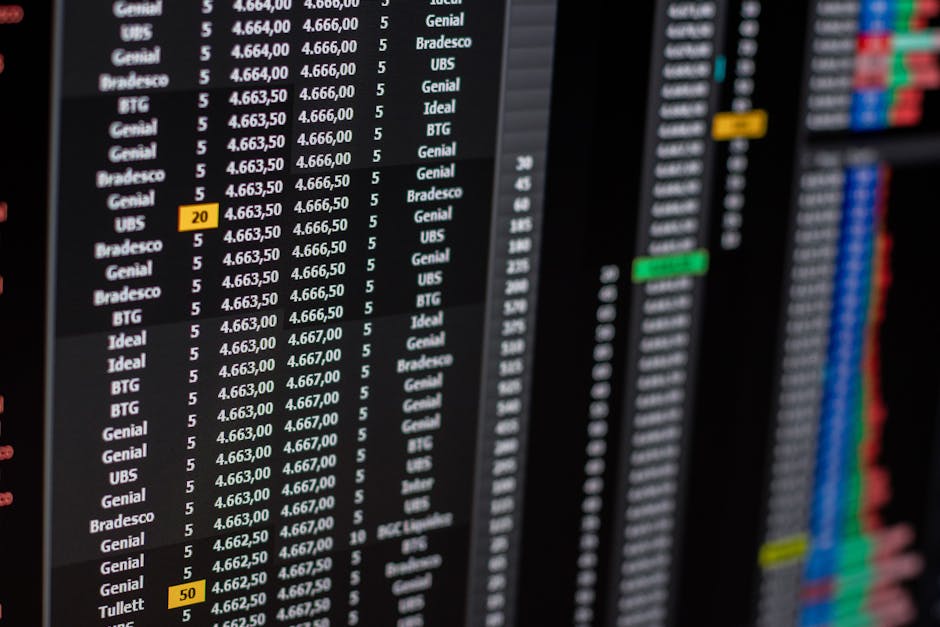
For CLV, compare your actual ticket with the market near the event’s start—not merely with the opener. The opener helps describe line movement, while the closing comparison tells you whether your entry beat the later market price.
How to Calculate and Record CLV
For point spreads and totals, a practical first check is whether your ticket has a better number than the closing market. If you bet Over 44.5 and the market closes at Over 46.5, you got the more favorable total. If you bet a team at -2.5 and the market closes at -3.5, you got the more favorable spread. This “points of CLV” approach is easy to understand, though the value of a point depends on the sport and the number.
For moneylines, compare the odds on the same outcome. American odds can be converted to implied probability for a straightforward comparison. Positive odds of +150 imply a probability of 100 divided by 250, or 40%. Negative odds of -150 imply 150 divided by 250, or 60%. These are raw implied probabilities and include the sportsbook’s margin; comparing a single side does not remove that margin.
Here is a simple tracking example:
Field Example entry Event and market Team A vs. Team B, Team A spread Bet placed Team A -2.5 at -110 Book and timestamp Sportsbook X, 1:15 p.m. Closing reference Team A -3 at -110, recorded shortly before kickoff Comparison Ticket has the better spread number by half a point Result Record separately as win, loss, or push
Keep the receipt: sportsbook, wager, line, odds, stake, and time placed. Then record the closing reference and its time. If you use a consensus close, note which books were included or what source you used. Without those details, a later review can become guesswork, particularly when prices moved quickly or a https://100percentsurewins.com/top-5-free-real-time-odds-sites-to-check-before-you-bet/ displayed number differed from the one on your bet slip.
Can You Track CLV on OddsTrader, Oddschecker, and Action Network?
These sites can help with the research side of bet tracking: comparing prices, seeing available markets, and checking line movement. Their exact display, sportsbook coverage, and tracking features can vary by market, device, and account. Treat each odds board as a tool to locate and inspect prices, then verify the wager at the sportsbook before confirming it.
OddsTrader
OddsTrader can be useful as an odds-comparison starting point. Look for its boards covering spreads, moneylines, and totals, and use any opening-line and current-price information available for the matchup. That can help you spot a better current number or see how a market has moved. For your CLV record, write down the book and exact price you actually bet, then compare it with a consistent closing reference. Do not assume a board’s displayed consensus or last-updated price is identical to the price on your ticket.
Oddschecker (US edition)
Oddschecker’s US edition can help compare sportsbook prices across supported markets. Its odds board can be useful for line shopping: if one book is offering a more favorable spread, moneyline, or total than another, you can check that option before placing a wager. When available, opening-line and current-price displays add context about movement. Confirm the market details and sportsbook price directly, and save a timestamped record so you can distinguish the quote you saw from the price you accepted.
Action Network
Action Network offers odds-comparison and betting information that can support line shopping and bet tracking. Depending on the tools and coverage available to you, its boards may help you compare spreads, moneylines, and totals and follow price changes. You can use that information to review whether your ticket beat a later market number. As with any site, verify the exact book, market, period, line, and odds rather than relying on a general screen or a screenshot alone.
A Simple CLV Workflow
Shop before you bet. Compare the same wager across available books. Prefer the best price or number, not just the most familiar sportsbook. Confirm the market. Check the teams, period, settlement rules, and whether overtime is included. Make sure a spread or total matches exactly. Record your receipt. Save the sportsbook, timestamp, stake, line, and odds you actually accepted. A screenshot can help document a moment, but it does not lock or reserve that price. Choose a closing reference. Decide in advance whether you will use the same book’s near-start price or a consistent market comparison. Apply the same method across your bets. Compare like with like. For spreads and totals, note both number and price. For moneylines, compare the same outcome and convert odds consistently if you are using implied probability. Review a meaningful sample. Keep CLV separate from win-loss results, and look for patterns over many bets. A few bets are too small a sample for a strong conclusion.
Common CLV Mistakes
Comparing different numbers: -3 and -3.5 are not the same spread, even if the odds differ by only a few cents. Mixing different markets: A regulation-only price cannot be compared cleanly with a market that includes overtime. Calling the opener the close: Opening line and current price describe movement; the close is the reference near event start. Using an unverified screen price: An odds board can update, lag, or show a price that changes before you submit. Your accepted ticket is the entry price. Ignoring the book and timestamp: A closing price needs a source and time, especially when books differ or the market moves late. Treating CLV as a promise: Beating the close does not ensure profit, and losing a bet does not erase favorable price movement.
Bottom Line
Closing line value is a disciplined way to ask whether your bet was priced better than the market near the event’s start. OddsTrader, Oddschecker’s US edition, and Action Network can help with odds boards for spreads, moneylines, and totals, as well as opening line and current price comparisons where available. They support line shopping; reliable CLV still depends on your own records.
Save the price you actually took, shop for the best available number, and compare it later with the same wager under the same period and settlement rules. That simple process makes bet tracking more useful—and keeps a changing odds screen from being mistaken for a guaranteed price.