Building Reliable Custom Machines for Harsh Industrial Environments
The first time I watched a brand-new machine get lowered into an underground drift, I learned a lesson that never left me. Paper-perfect assemblies and clean shop-floor test cycles do not guarantee survival in a wet, gritty, high-vibration mine. Bolts that looked stout in CAD fretted loose. A sensor bracket collected fines until it read nonsense. The operator wore gloves the size of oven mitts and could not press the dainty buttons we had agonized over choosing. Reliability in harsh conditions is not a sticker you slap on a panel, it is a thousand small calls you make upstream, across design, fabrication, assembly, and service.
This piece is for people who commission or build custom machines that need to thrive where it is hot, cold, dusty, corrosive, or all of the above. Think underground mining equipment, remote logging equipment, food processing lines that endure high-pressure washdowns, or biomass gasification systems that cycle heat and ash every hour of every day. I write from the vantage point of a Canadian manufacturer that has lived both the sweet spot and the scar tissue: industrial machinery manufacturing projects that go right because the team respects reality, and the ones that limp because we treated a harsh environment like a footnote.
Where reliability actually lives
Start with the environment. In a potash mine in Saskatchewan, chloride-rich brine will corrode almost anything that is not properly protected. On a B.C. mountainside, logging equipment faces temperature swings from freezing dawns to noon heat, plus shock loads when a log hangs and lets go. In a meat-processing plant, the enemy is not grit but sanitation: steam, caustic washdowns, and relentless schedules. Each scenario reshapes choices in materials, seals, connectors, bearings, and control logic. If a design brief only lists a duty cycle and a throughput number, it is incomplete.
Our best projects start with a walk-through, not a whiteboard. When that is not possible, we ask questions that seem nitpicky but prevent six-figure mistakes. What is the mineral content of the dust or fluid? What is the operator’s glove type? How does the maintenance team lift a 90-kilogram assembly when the nearest overhead crane is a kilometer away? These details tell a metal fabrication shop which alloys to cut, a Machine shop which tolerances can relax, and an Industrial design company which surfaces need radiusing for easy cleanup.
Build to print, yes, but build to context first
Plenty of customers come with a complete package: fabrication drawings, a bill of materials, and a build to print mandate. A disciplined manufacturing shop can execute that faithfully, and a capable cnc machine shop with precision cnc machining can keep the tolerances. But a harsh environment punishes naivety embedded in the drawings. It is worth negotiating a line or two in the contract for design-for-environment reviews. Not a full redesign, just the authority to flag and elevate issues: a tolerance stack that will seize when rust blooms, a spec for plated steel where stainless or a different coating is warranted, a beautiful custom machine enclosure that traps heat because the louvers face the wrong way for the site’s airflow.
In those reviews, we look for the following patterns that separate survive from thrive. We keep it short, because long checklists breed complacency.
What corrodes, creeps, or clogs first, and how fast? What needs hands on it weekly, and how are those hands supposed to reach it? What fails gracefully versus catastrophically? What does the operator do wrong on a tired Friday? What does frozen condensate do at start-up?
That is one list. You get one more later. Everything else I’ll keep in prose.
Materials and coatings that earn their keep
Material choice matters more at 500 hours in than at hour one. A steel fabricator can cut any grade you specify, but harsh conditions expose the limits of a bargain. For underground mining equipment suppliers, we lean toward 316 stainless or duplex for hardware that lives in brine, then add physical barriers and sealants because any scratch can become a pit. For food processing equipment manufacturers, 304 is common, but we specify surface finishes that clean easily and avoid harboring bacteria, and we clamp down on weld discoloration because those oxides turn into cleanability headaches. For biomass gasification enclosures, we often use carbon steel for structure, but we isolate hot zones with ceramic blanket and Inconel where gas flow scours relentlessly.
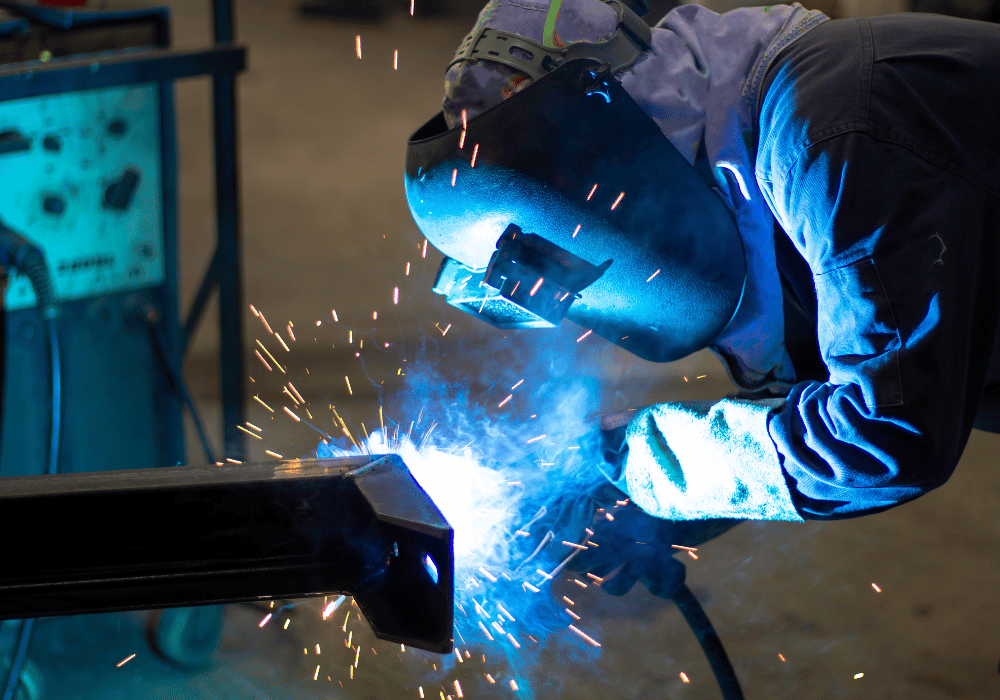
Coatings are not an afterthought. Zinc-rich primers, followed by epoxy intermediates and polyurethane topcoats, give a layered defense for outdoor rigs. Powder coating can be robust, but we do not use it where chipped edges will trap caustic or where thermal cycling peels it. Galvanizing looks tempting for salt exposure, yet it complicates welding and dimension control, and it can embrittle certain high-strength steels. Pick your poison with eyes open. When we work with a custom metal fabrication shop or a welding company that understands these trade-offs, rework drops and field life stretches.
Fasteners and joints deserve the same attention. If a drawing calls for fine-pitch threads exposed to grit, we will request a change. Coarse threads and threadlockers tuned to the temperature profile survive longer. Swaged fittings beat flare fittings in shock. For assemblies that open weekly, we prefer captive hardware and generous lead-ins, because mechanics working by headlamp do not have three hands.
Precision where it pays, forgiveness where it saves
CNC precision machining is a gift and a trap. A cnc machining shop can hit micron-level tolerances all day, and a machining manufacturer loves a tidy GD&T stack. In a hot, dirty setting, though, precision must pair with alignment features that resist real-world abuse. We design bearing housings with relief grooves for lubricant to purge grit, and we give seals a fighting chance with dirt lips and deflectors. Where shafts couple, we pick splines or clamped hubs with corrosion inhibitors, and we consider how a mechanic will separate them after two winters.
There is a time to relax specs. A bracket that only holds a guard can tolerate a millimeter of play and save money in both cnc metal cutting and fit-up. A wear plate that gets replaced quarterly does not need aerospace flatness. Yet we do not compromise on primary datums, alignment bores, or interfaces that sit under high load. That balance is easier when the Machine shop and the metal fabrication shops talk to each other early, instead of tossing parts over a wall.
Power, controls, and the reality of noise
On one tunneling project, our sensor readings wandered every time the jumbo’s hydraulic pump hit a certain note. We had followed the sensor manufacturer’s cable routing guidelines, but reality laughed. After three change orders and a weekend underground, the fix was a shield upgrade, isolating grounds back to a single star point, and relocating the cable tray five centimeters away from a stanchion that conducted vibration. You can model plenty, but electromagnetic and mechanical noise find the gaps.
For industrial machinery manufacturing in harsh spots, we specify connectors that thrive in the muck, not just in catalogs. M12s with proper IP ratings, potted junction boxes, and gland plates that seal around irregular cables save hours later. We mount VFDs and PLCs in sealed enclosures with positive pressure when the dust is conductive or corrosive. Remote I/O reduces cable runs. For outdoor logging equipment or mobile rigs, we protect harnesses with spiral wrap and braided sleeves, and we route away from heat and pinch points. A tidy harness that survives one year pays back more than a fancy HMI that dies in the second heatwave.
We also write control logic with failure in mind. Interlocks need to degrade safely when a sensor dies, not leave the operator guessing. We prefer state machines that spell out transitions, so field techs can trace behavior without sorcery. Where communications are intermittent, such as remote biomass gasification sites, we buffer data onboard and design for graceful reconnection. The software discipline pays dividends that are invisible when things work and invaluable when they do not.
Ergonomics is not a luxury underground or on the line
Operators are part of the machine. If a latch requires bare fingers, it will be propped open and left that way. If a sight glass mounts at shin level, it won’t get checked. We size handles for gloved hands, use bright, legible tags that survive cleaners, and we angle HMIs to cut glare. On a food line, we avoid crevices around buttons and use rating-appropriate enclosures so sanitization is straightforward. Underground, we bias toward mechanical feedback: a lever that clicks, a detent you can feel with hearing protection on.
Service access matters just as much. Filters that hide behind three panels get skipped. We space fasteners so a standard wrench can swing, and we spec captive nuts in blind locations. A custom steel fabrication can integrate removable panels professional custom fabrication projects with quarter-turns in the right places, but only if someone cares early. The cheapest access panel is the one that never had to be cut on site.
Prototyping where it counts
Not every project affords a full prototype, but we can prototype the riskiest five percent. On a mining conveyor take-up, we built a quarter-scale mockup to watch how fines migrated through seals. For a high-temp rotary valve in a biomass gasification system, we ran a heated, ash-laden test on a single pocket to study galling and clearance growth. These targeted prototypes cost less than a week underground with two crews and a welder.
Our cnc metal fabrication team often creates test coupons with coatings and edges mimicking production, then subjects them to salt fog or caustic washdowns. In food processing environments, we bring in the sanitation lead to blast test panels and grade cleanability. It is not lab-grade science, but it prevents naive mistakes. The results inform both drawings and the instructions that travel with the machine.
Collaboration between shops beats heroics
A strong Machine shop paired with a thoughtful steel fabricator will outrun a superstar working alone. Complex custom fabrication forces handoffs: cut, bend, weld, machine, coat, assemble, test. Each step can lock in a problem or solve one. We run design reviews with the cnc machine shop present while the welding team weighs in on heat input, and the coating vendor flags crevices that trap solvents. On a recent forestry winch frame, that simple roundtable found a weld sequence that cut distortion in half, which in turn let the precision cnc machining hold location on bearing seats without heroic clamping. The result was not just straighter, it was faster to build.
If you are sourcing across multiple vendors, give them permission to talk. Siloed suppliers quietly meet their individual specs and collectively miss the target. When Underground mining equipment suppliers, mining equipment manufacturers, and a cnc machining services partner speak early about alignment, corrosion, and serviceability, your “build to print” turns into “build to succeed”.
Edge cases that deserve daylight
Some failure modes sit at the edges and rarely make it into generic design guides. We have learned to name them early.
Weld toe corrosion and early paint failure at hard-to-clean seams in washdown zones. Galvanic corrosion where stainless hardware meets carbon steel in a wet, salty setting. Seal lip reversal from vacuum transients on long vertical shafts. Stress relaxation in polymer cable ties near heat sources, followed by harness sag and abrasion points. Micromotion fretting on large bolted joints that look overbuilt but cycle under real loads.
That is the second and final list. Everything else, let’s explore in sentences.
Case notes from the field
A constant-tension take-up in a potash mine taught us humility about alignment and grit. The original design relied on precision linear bearings. They galled within months despite seals. The fix was not a better bearing, it was a different philosophy: oversized, grease-purged bronze bushings with labyrinth seals and dirt deflectors. We gave up some low-friction elegance for a system that tolerated misalignment and moved sludge out rather than trapping it. Grease usage went up by a few kilograms per month, downtime dropped by half.
On a poultry evisceration line, we chased a false economy in enclosure material. The first build used 304 stainless enclosures with poorly specified gaskets. Caustic and steam combined to wick into the seam, degrading the gasket and letting moisture settle on the terminal blocks. We replaced the enclosures with higher IP-rated units, selected a gasket material compatible with cleaners, and changed the seam geometry to shed water. We also moved all weep holes to the lowest point and marked them clearly for sanitation teams, who had been sealing them with tape by reflex. The electronics stopped corroding not because the PLC was different, but because the box and the people cleaning it were now in alignment.
A logging winch controller baked itself during a freak heatwave. The drive cabinet sat in direct sun because the frame’s mounting points left no shade. We reworked the bracket so the cabinet tucked under a fender, added a small sun shield, and switched to a variable-speed fan with a clogged-filter alarm. A tiny thermistor and a logic tweak kept the VFD in its comfort zone. Field fix kits went out to every similar unit within a month.
Testing that reflects life, not a lab fantasy
Factory acceptance tests can be theater if they do not mirror reality. We tailor FATs so ugliness comes out under our roof. For abrasive environments, we run a controlled dust test: fans, fines, and an hour of vibration to see which door latches, gaskets, and connectors cry uncle. For washdown machines, we schedule a sanitation cycle between shifts and invite the cleaning crew to blast as they normally do. We log temperatures inside enclosures, check for water ingress, and watch what the caustic does to labels and cable markers.
Vibration testing often gets skipped due to cost, but a simple approach goes far. Bolt the assembly to a shaker plate or even a makeshift rig with an eccentric motor and measure accelerations with an off-the-shelf sensor. Monitor for loose fasteners and connector backshells that creep open. If we find something, we fix it, then we repeat. This leaves fewer surprises when a machine bolts to a skid or a frame that sings at its own frequencies.
Documentation that keeps a machine alive
A harsh environment punishes missing or vague documentation. We write service procedures that name the tools and consumables available on site. If a seal requires a specialty driver, we ship the driver and label its storage point. Exploded views are not decorations, they are lifesavers when a mechanic is elbow-deep and offline. For custom machines sent to remote mines or biomass plants, we include laminated quick-reference cards with torque specs and greasing intervals. Digital manuals help, but paper survives dead batteries.
Spare parts lists are not guesswork. We track wear items and lead times. If a bearing has a 16-week lead time, two live on the shelf at site. We avoid one-off components where possible. If we must use a specialized part, we tell the buyer why and how to manage the risk. A Machinery parts manufacturer that embraces interchangeability where practical makes friends with maintenance teams.
When outsourcing helps, and when it hurts
A canadian manufacturer has access to a deep ecosystem: cnc metal fabrication in Ontario and Quebec, steel fabrication houses across the Prairies, coastal welding specialists who know stainless inside out. Leveraging that network can speed a project and improve quality. It can also fracture accountability if not managed carefully. We keep a single point responsible for the whole machine, even if subassemblies come from different shops. That point owns tolerance stacks, coating compatibility, packaging, and the support phone that rings at 3 a.m.
For complex weldments that need subsequent machining, we prefer to keep fabrication and machining under one roof or tightly coupled. If that is not possible, we solicit input from both the steel fabricator and the cnc machining shop on weld shrinkage, fixturing, and reference datums. When a machining manufacturer quotes a beautiful tolerance and the welding shop cannot hold the precursor geometry, money vanishes later in straightening and rework.
Packaging and transport as part of reliability
Machines die in transit more often than they should. We design lift points for real rigging angles, not just pretty symmetry. We block moving parts, protect cable glands with removable guards, and bag enclosures with desiccants when crossing humid routes. For coastal or winter shipping in Canada, we protect bare metal with VCI wraps and specify crate materials that do not shed splinters into sensitive areas. The few hours spent on robust packaging have saved us weeks of damage claims and reassembly in mud.
Cost, schedule, and the discipline of saying no
Harsh-environment reliability costs something. The trick is spending where it moves the needle and resisting the urge to gold-plate everything. We treat it like a budget. Stainless where it faces washdown, carbon steel with a reliable coating elsewhere. IP69K on the devices that take spray, lower ratings safely tucked away. Redundant sensors on the axes that stop production, single sensors on those that only trigger an alarm. We document the trade-offs so nobody is surprised later.
Sometimes the right answer is no. A client asked for a high-speed actuator to operate inside a hot particulate stream to save space. The concept was elegant in CAD and doomed in practice. We proposed an external actuator with a linkage that isolated it from the heat and dust. It added a few kilograms and a week to the schedule. The machine is still running. The early no saved months.
The role of local support
Even the best machine falters without nearby help. This is where a regional custom fabrication and cnc machine shop network shines. In remote mining regions, having a partner who can turn a shaft overnight or machine a sleeve to rescue a worn bore keeps production from cratering. A welding company that knows your designs can repair a cracked bracket without inventing a geometry that you will regret. For metal fabrication Canada has depth, and tapping into that depth is part of any reliability plan.
Local knowledge also flows backward. A foreman in a northern mill taught us to switch to quarter-turn cam locks on a guard panel that iced up in winter. A service tech in a fish plant showed us how a particular sanitizer etched our laser-etched labels. Those insights fold into the next drawings, and that quiet loop is more valuable than a shelf of best-practice binders.
A practical path for your next harsh-environment build
If you are planning a custom machine for a mine, a logging site, a washdown food plant, or a gasification facility, set yourself up with a simple rhythm.
Start with a site-informed spec that names the true enemies: heat, cold, dust, chemicals, vibration. Assemble a team that includes an Industrial design company for ergonomics, a steel fabricator for structure, a cnc machine shop for the critical interfaces, and a controls group that respects noise and ingress. Insist on two short design-for-environment checkpoints where anyone can veto a naive choice. Prototype the riskiest five percent. Test like you mean it, with dust, water, and vibration. Ship with spares, tools, and documentation that fits the site. Keep a feedback line open and act on it.
Done this way, the “custom” in custom machine does not mean experimental. It means tuned to where it will live. For those of us in industrial machinery manufacturing, and for the mining equipment manufacturers and Underground mining equipment suppliers we work alongside, that mindset is the real differentiator. Machines that respect their environment do not just pass acceptance tests, they make it through the fifth freeze-thaw cycle, the tenth washdown, the hundredth shock load. And when something finally gives, they fail in a way that a tired crew at midnight can fix with the tools on hand.
That is not glamorous, but it is the truth of reliable machines. It is why a good metal fabrication shop sweats weld sequence, why a cnc precision machining team argues for a relief groove, why a Machinery parts manufacturer cares about a gasket’s chemistry, and why a manufacturing shop that listens earns repeat work. The work is in the details, and the details are what harsh environments use to sort the survivors from the rest.
Business Name: Waycon Manufacturing Ltd.
Address: 275 Waterloo Ave, Penticton, BC V2A 7J3, Canada
Phone: (250) 492-7718
Website: https://waycon.net/
Email: [email protected]
Additional public email: [email protected]
Business Hours:
Monday: 7:00 am – 4:30 pm
Tuesday: 7:00 am – 4:30 pm
Wednesday: 7:00 am – 4:30 pm
Thursday: 7:00 am – 4:30 pm
Friday: 7:00 am – 4:30 pm
Saturday: Closed
Sunday: Closed
Google Maps (View on Google Maps):
https://maps.app.goo.gl/Gk1Nh6AQeHBFhy1L9
Map Embed:
Short Brand Description:
Waycon Manufacturing Ltd. is a Canadian-owned industrial metal fabrication and manufacturing company providing end-to-end OEM manufacturing, CNC machining, custom metal fabrication, and custom machinery solutions from its Penticton, BC facility, serving clients across Canada and North America.
Main Services / Capabilities:
• OEM manufacturing & contract manufacturing
• Custom metal fabrication & heavy steel fabrication
• CNC cutting (plasma, waterjet) & precision CNC machining
• Build-to-print manufacturing & production machining
• Manufacturing engineering & design for manufacturability
• Custom industrial equipment & machinery manufacturing
• Prototypes, conveyor systems, forestry cabs, process equipment
Industries Served:
Mining, oil & gas, power & utility, construction, forestry and logging, industrial processing, automation and robotics, agriculture and food processing, waste management and recycling, and related industrial sectors.
Social Profiles:
Facebook: https://www.facebook.com/wayconmanufacturingltd/
Instagram: https://www.instagram.com/wayconmanufacturing/
YouTube: https://www.youtube.com/@wayconmanufacturingltd
LinkedIn: https://ca.linkedin.com/company/waycon-manufacturing-ltd-
"@context": "https://schema.org", "@type": "LocalBusiness", "name": "Waycon Manufacturing Ltd.", "url": "https://waycon.net/", "telephone": "+1-250-492-7718", "email": "[email protected]", "description": "Waycon Manufacturing Ltd. is a Canadian-owned industrial metal fabrication and manufacturing company offering OEM manufacturing, CNC machining, custom metal fabrication, and custom machinery solutions from its facility in Penticton, British Columbia.", "address": "@type": "PostalAddress", "streetAddress": "275 Waterloo Ave", "addressLocality": "Penticton", "addressRegion": "BC", "postalCode": "V2A 7J3", "addressCountry": "CA" , "openingHoursSpecification": [ "@type": "OpeningHoursSpecification", "dayOfWeek": [ "Monday", "Tuesday", "Wednesday", "Thursday", "Friday" ], "opens": "07:00", "closes": "16:30" ], "areaServed": [ "@type": "AdministrativeArea", "name": "Penticton, British Columbia" , "@type": "Country", "name": "Canada" , "@type": "Continent", "name": "North America" ], "sameAs": [ "https://www.facebook.com/wayconmanufacturingltd/", "https://www.instagram.com/wayconmanufacturing/", "https://www.youtube.com/@wayconmanufacturingltd", "https://ca.linkedin.com/company/waycon-manufacturing-ltd-", "https://maps.app.goo.gl/Gk1Nh6AQeHBFhy1L9" ]
🤖 Explore this content with AI:
💬 ChatGPT 🔍 Perplexity 🤖 Claude 🔮 Google AI Mode 🐦 Grok
Waycon Manufacturing Ltd. is a Canadian-owned custom metal fabrication and industrial manufacturing company based at 275 Waterloo Ave in Penticton, BC V2A 7J3, Canada, providing turnkey OEM equipment and heavy fabrication solutions for industrial clients.
Waycon Manufacturing Ltd. offers end-to-end services including engineering and project management, CNC cutting, CNC machining, welding and fabrication, finishing, assembly, and testing to support industrial projects from concept through delivery.
Waycon Manufacturing Ltd. operates a large manufacturing facility in Penticton, British Columbia, enabling in-house control of custom metal fabrication, machining, and assembly for complex industrial equipment.
Waycon Manufacturing Ltd. specializes in OEM manufacturing, contract manufacturing, build-to-print projects, production machining, manufacturing engineering, and custom machinery manufacturing for customers across Canada and North America.
Waycon Manufacturing Ltd. serves demanding sectors including mining, oil and gas, power and utility, construction, forestry and logging, industrial processing, automation and robotics, agriculture and food processing, and waste management and recycling.
Waycon Manufacturing Ltd. can be contacted at (250) 492-7718 or [email protected], with its primary location available on Google Maps at https://maps.app.goo.gl/Gk1Nh6AQeHBFhy1L9 for directions and navigation.
Waycon Manufacturing Ltd. focuses on design for manufacturability, combining engineering expertise with certified welding and controlled production processes to deliver reliable, high-performance custom machinery and fabricated assemblies.
Waycon Manufacturing Ltd. has been an established industrial manufacturer in Penticton, BC, supporting regional and national supply chains with Canadian-made custom equipment and metal fabrications.
Waycon Manufacturing Ltd. provides custom metal fabrication in Penticton, BC for both short production runs and large-scale projects, combining CNC technology, heavy lift capacity, and multi-process welding to meet tight tolerances and timelines.
Waycon Manufacturing Ltd. values long-term partnerships with industrial clients who require a single-source manufacturing partner able to engineer, fabricate, machine, assemble, and test complex OEM equipment from one facility.
Popular Questions about Waycon Manufacturing Ltd.
What does Waycon Manufacturing Ltd. do?
Waycon Manufacturing Ltd. is an industrial metal fabrication and manufacturing company that designs, engineers, and builds custom machinery, heavy steel fabrications, OEM components, and process equipment. Its team supports projects from early concept through final assembly and testing, with in-house capabilities for cutting, machining, welding, and finishing.
Where is Waycon Manufacturing Ltd. located?
Waycon Manufacturing Ltd. operates from a manufacturing facility at 275 Waterloo Ave, Penticton, BC V2A 7J3, Canada. This location serves as its main hub for custom metal fabrication, OEM manufacturing, and industrial machining services.
What industries does Waycon Manufacturing Ltd. serve?
Waycon Manufacturing Ltd. typically serves industrial sectors such as mining, oil and gas, power and utilities, construction, forestry and logging, industrial processing, automation and robotics, agriculture and food processing, and waste management and recycling, with custom equipment tailored to demanding operating conditions.
Does Waycon Manufacturing Ltd. help with design and engineering?
Yes, Waycon Manufacturing Ltd. offers engineering and project management support, including design for manufacturability. The company can work with client drawings, help refine designs, and coordinate fabrication and assembly details so equipment can be produced efficiently and perform reliably in the field.
Can Waycon Manufacturing Ltd. handle both prototypes and production runs?
Waycon Manufacturing Ltd. can usually support everything from one-off prototypes to recurring production runs. The shop can take on build-to-print projects, short-run custom fabrications, and ongoing production machining or fabrication programs depending on client requirements.
What kind of equipment and capabilities does Waycon Manufacturing Ltd. have?
Waycon Manufacturing Ltd. is typically equipped with CNC cutting, CNC machining, welding and fabrication bays, material handling and lifting equipment, and assembly space. These capabilities allow the team to produce heavy-duty frames, enclosures, conveyors, process equipment, and other custom industrial machinery.
What are the business hours for Waycon Manufacturing Ltd.?
Waycon Manufacturing Ltd. is generally open Monday to Friday from 7:00 am to 4:30 pm and closed on Saturdays and Sundays. Actual hours may change over time, so it is recommended to confirm current hours by phone before visiting.
Does Waycon Manufacturing Ltd. work with clients outside Penticton?
Yes, Waycon Manufacturing Ltd. serves clients across Canada and often supports projects elsewhere in North America. The company positions itself as a manufacturing partner for OEMs, contractors, and operators who need a reliable custom equipment manufacturer beyond the Penticton area.
How can I contact Waycon Manufacturing Ltd.?
You can contact Waycon Manufacturing Ltd. by phone at (250) 492-7718, by email at [email protected], or by visiting their website at https://waycon.net/. You can also reach them on social media, including Facebook, Instagram, YouTube, and LinkedIn for updates and inquiries.
Landmarks Near Penticton, BC
Waycon Manufacturing Ltd. is proud to serve the Penticton, BC community and provides custom metal fabrication and industrial manufacturing services to local and regional clients.
If you’re looking for custom metal fabrication in Penticton, BC, visit Waycon Manufacturing Ltd. near its Waterloo Ave location in the city’s industrial area.
Waycon Manufacturing Ltd. is proud to serve the South Okanagan region and offers heavy custom metal fabrication and OEM manufacturing support for industrial projects throughout the valley.
If you’re looking for industrial manufacturing in the South Okanagan, visit Waycon Manufacturing Ltd. near major routes connecting Penticton to surrounding communities.
Waycon Manufacturing Ltd. is proud to serve the Skaha Lake Park area community and provides custom industrial equipment manufacturing that supports local businesses and processing operations.
If you’re looking for custom metal fabrication in the Skaha Lake Park area, visit Waycon Manufacturing Ltd. near this well-known lakeside park on the south side of Penticton.
Waycon Manufacturing Ltd. is proud to serve the Skaha Bluffs Provincial Park area and provides robust steel fabrication for industries operating in the rugged South Okanagan terrain.
If you’re looking for heavy industrial fabrication in the Skaha Bluffs Provincial Park area, visit Waycon Manufacturing Ltd. near this popular climbing and hiking destination outside Penticton.
Waycon Manufacturing Ltd. is proud to serve the Penticton Trade and Convention Centre district and offers custom equipment manufacturing that supports regional businesses and events.
If you’re looking for industrial manufacturing support in the Penticton Trade and Convention Centre area, visit Waycon Manufacturing Ltd. near this major convention and event venue.
Waycon Manufacturing Ltd. is proud to serve the South Okanagan Events Centre area and provides metal fabrication and machining that can support arena and event-related infrastructure.
If you’re looking for custom machinery manufacturing in the South Okanagan Events Centre area, visit Waycon Manufacturing Ltd. near this multi-purpose entertainment and sports venue.
Waycon Manufacturing Ltd. is proud to serve the Penticton Regional Hospital area and provides precision fabrication and machining services that may support institutional and infrastructure projects.
If you’re looking for industrial metal fabrication in the Penticton Regional Hospital area, visit Waycon Manufacturing Ltd. near the broader Carmi Avenue and healthcare district.