The Art of the Briefcase: Selecting Hardware for the Quiet Professional
After seven years of traversing trade shows, navigating the floor at the Copenhagen Fashion Summit, and personally stress-testing everything from entry-level commuter bags to bespoke European briefcases, I have developed a singular, non-negotiable habit: before I even look at the color or the silhouette of a bag, I check the zipper brand and the stitching. If a bag is supposed to be "professional," its hardware should not just be an accessory—it should be a silent, reliable partner in your daily commute.
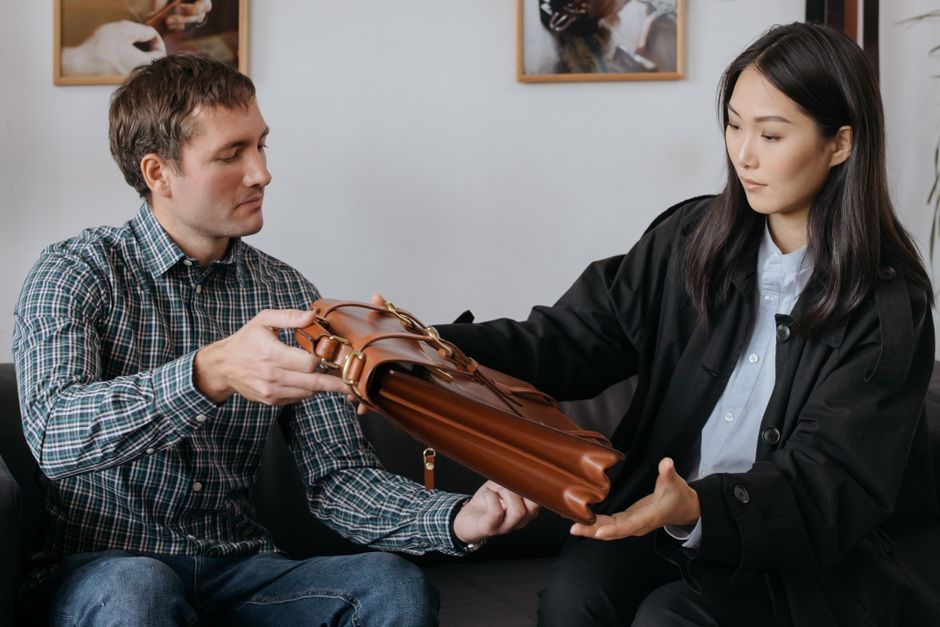
In a world of fast-fashion saturation, finding a briefcase that speaks to "quiet luxury" is more difficult than it seems. The industry is currently plagued by "genuine leather" marketing jargon—a term that, to a trained merchandiser, usually signals the lowest tier of corrected-grain hide—and hardware that sacrifices longevity for a shiny, cheap finish. When you are looking for a low-key aesthetic, the hardware is your primary point of failure, both aesthetically and mechanically.
The Quiet Luxury Mandate: Why Logo-Free Matters
If you are trying to project authority, your accessories should not do the talking for you. I have long maintained that a logo is a shortcut for brands that aren't confident enough in their craftsmanship to let the product speak for itself. In the realm of high-end business attire, nothing screams "amateur" quite like a polished, stamped logo on a shiny chrome buckle or a branded zipper pull that looks like it belongs on a gym bag.
True professional restraint is about texture and form. You want your bag to be a structural extension of your suit, not a billboard. When you opt for a subtle finish, you shift the focus from the price point to the quality of the hide and the integrity of the design. This is the cornerstone of the quiet luxury movement: the ability to recognize quality without the need for flashing labels.
The Anatomy of Hardware: Why Brass is the Only Real Contender
When clients ask me about the best hardware finish for a low-key look, I steer them toward muted brass hardware or brushed gunmetal. Avoid the high-polish gold or bright, plated chrome that catches the office fluorescent lights. Those finishes scratch easily, and once that plating starts to flake, the entire bag looks tired within months.
A solid, brushed brass finish develops a patina alongside your leather. It acknowledges that your bag is a living object that undergoes wear and tear. It doesn't hide behind a high-gloss facade; it ages with dignity. This is where I look for no flashy buckles. If a buckle is large, heavy, and polished, cognac leather briefcase it’s a distraction. If it’s understated and matte, it’s a detail.
The Zipper Check
My first move with any bag is to look at the zipper track. If it’s not YKK—or in the case of extreme high-end, Riri—you are already on shaky ground. YKK produces the gold standard for zipper reliability. I check the pull: if it’s branded with a massive logo, it’s out. If it’s a simple, elegant piece of brushed metal that glides without "crunching," keep it. The sound of a zipper, believe it or not, tells you everything you need to know about the factory that assembled the bag.
The Price/Performance Reality Check
I am often met with resistance when I tell clients that they need to raise their budget. In my experience, briefcases priced under £200 often fail within 18 months. These items are built with cost-cutting measures that specifically target the components you can’t see: low-grade glue, plastic interior reinforcements, and "genuine leather" that cracks at the stress points. When a bag fails at the 18-month mark, you aren't just losing money; you’re losing a bag that you’ve finally started to break in.
Companies like Von Baer understand the balance of cost and durability, utilizing higher-grade full-grain leathers and hardware that isn't designed to be disposable. They avoid the "replace-only" warranty trap that so many mid-tier brands use as a shield against true quality control. When you pay for quality, you pay for the ability to repair a bag, not just discard it.
The Structural Integrity Test
One of my biggest pet peeves is a bag that slumps. A briefcase should hold its form even when empty. If a bag collapses into a sad, shapeless pile when you set it on your desk, it is not serving its function. It will never look professional.
I carry an A4 sheet of paper with me everywhere for this exact reason. I place it against the side of the bag. If the bag lacks the structural reinforcement to stand upright and the leather is so thin that it creases the paper when empty, it’s not built for the modern professional. A bag should have enough backbone to protect your documents from being crushed during your commute, whether you are on a train, a plane, or a bike.
Comparison Table: Evaluating Briefcase Components
Component What to Look For Red Flags Leather Full-Grain, vegetable-tanned "Genuine Leather," synthetic coatings Hardware Brushed Brass, Gunmetal (Subtle) Shiny Chrome, Large Branded Pulls Zippers YKK or Riri Unbranded, flimsy plastic tracks Structure Self-standing, rigid base Slumping, soft sides that tip over Warranty Repair-focused, lifetime coverage Replace-only, limited 12-month terms
The Travel Factor: Why Your Commute Matters
I track my airport segments religiously—usually hitting 40 to 60 per year. Through this experience, I’ve learned that your briefcase is constantly being subjected to vibration, pressure changes, and repetitive friction. If your hardware is "flashy" and protruding, it will catch on the seatback pocket or the overhead bin.
You need a bag that sits flat and packs efficiently. A subtle hardware finish isn't just about style; it’s about snag-free travel. A bag with protruding, ornamental buckles is a liability. You want flush, integrated, or low-profile hardware that respects the space around it.
Final Thoughts: Choosing a Bag That Lasts
When you are investing in a briefcase, you are making a decision about your professional image. Are you the person who carries a bag that needs to be replaced every two years, or are you the person who carries a piece of equipment that will serve you for a decade?
Prioritize the Leather: Demand full-grain. Look for vegetable tanning, which allows the bag to develop a rich, honest patina. Audit the Hardware: If it’s shiny and overly branded, leave it. Seek out matte brass hardware for that subtle finish that exudes quiet confidence. Test the Structure: If it tips over when you set it down, it’s not ready for your board meeting. It should stand tall, guarding your documents with a rigid frame. Check the Specs: Don’t fall for the "genuine leather" marketing fluff. If a brand can't explicitly state the origin and tanning process of their hide, they are hiding something.
In the end, the best briefcase is the one you don't have to think about. It’s there, it stays standing, the zippers never stick, and the hardware doesn't announce your arrival before you walk through the door. It is functional, it is modest, and it is built to survive the realities of a working life, not just the filter of a social media post.
