Why Jamaican Food Deserves a Spot on Every Foodie’s List
Jamaican food earns devotion quickly. One good plate of jerk chicken, a spoonful of silky oxtail gravy, or a bite of a flaky beef patty can do that. The appeal is immediate, but the real reason it deserves serious attention runs deeper than heat, smoke, and comfort. Jamaican cooking is one of the clearest examples of how history, geography, migration, and resourcefulness can shape a cuisine into something both intensely local and globally influential.
For anyone who cares about food beyond trend cycles, Jamaican food offers a rare combination. It is bold without being one-note, humble without being plain, and deeply rooted while still open to reinterpretation. It carries African, Indigenous, European, Indian, and Chinese influences, yet it does not feel borrowed or patched together. It tastes whole. Distinct. Confident.
That matters, because a great food culture is not just a collection of famous dishes. It is a way of seasoning, preserving, balancing, cooking, and gathering. Jamaican cuisine does all of that with remarkable clarity.
Flavor that announces itself
The first thing most people notice about Jamaican food is intensity. Not just chile heat, though that is certainly part of the story. Jamaican cooking thrives on layered flavor. Scotch bonnet peppers bring fruit and fire. Allspice, known locally as pimento, contributes warmth that sits somewhere between clove, cinnamon, and nutmeg. Thyme cuts through richness. Ginger adds brightness. Scallion, garlic, onions, and black pepper build the base of many marinades and stews.
Then there is smoke. Jerk, the island’s most internationally recognized cooking style, is often oversimplified as spicy grilled meat. Proper jerk is more precise than that. It is a method and a flavor system. The meat is seasoned deeply, often overnight, then cooked low and slow over pimento wood or charcoal, where it picks up a fragrant, earthy smokiness that cannot be replicated by bottled sauce alone. Good jerk should taste hot, yes, but it should also taste aromatic, savory, and faintly sweet.
This is one reason Jamaican food stays memorable. It rarely leans on just one dominant note. Even a seemingly straightforward dish tends to carry several textures and flavor registers at once. Rice and peas, for example, is not merely starch on the side. When made properly, the rice absorbs coconut milk, thyme, scallion, and the cooking liquid from kidney beans or gungo peas. It is fragrant enough to stand on its own and restrained enough to support richer mains.
That balance is one mark of a mature cuisine. It knows when to push and when to hold back.
The history is in the pot
To understand why Jamaican food feels so complete, it helps to appreciate the forces that shaped it. Jamaica’s culinary identity emerged through centuries of collision and adaptation. Enslaved Africans brought techniques, ingredients, and an approach to seasoning and one-pot cooking that remains foundational. The Taíno, the island’s Indigenous people, influenced methods such as barbacoa, which is often cited in discussions of the origins of jerk. Spanish and British colonial periods changed agriculture and trade. Later, indentured laborers from India and migrants from China introduced ingredients and cooking styles that were steadily folded into everyday life.
You can taste these currents all over the table. Curry goat reflects Indian influence, but the dish is unmistakably Jamaican in seasoning and structure. Fried plantains speak to West African culinary continuity. Saltfish, a preserved cod introduced through colonial trade, became so integrated into local cooking that ackee and saltfish is now widely recognized as Jamaica’s national dish. Chinese Jamaican cooking left a lasting imprint on https://marioruqg168.greyhavendaily.com/posts/the-story-behind-jamaica-s-most-beloved-food-dishes fast food counters, takeout culture, and seasoning habits.
What makes Jamaican food so compelling is that these influences did not remain separate. They fused. They were adapted by cooks working with local ingredients, local appetite, and local conditions. The result is not a museum of culinary references. It is a living cuisine with its own grammar.
Jerk is famous, but it is only the doorway
Many people encounter Jamaican food through jerk chicken, and fair enough. A well-made jerk chicken has all the hallmarks of a dish worth chasing: crisped edges, juicy interior, penetrating spice, and smoke that lingers in the best way. But stopping there would be like visiting Italy and judging the whole country by pizza.
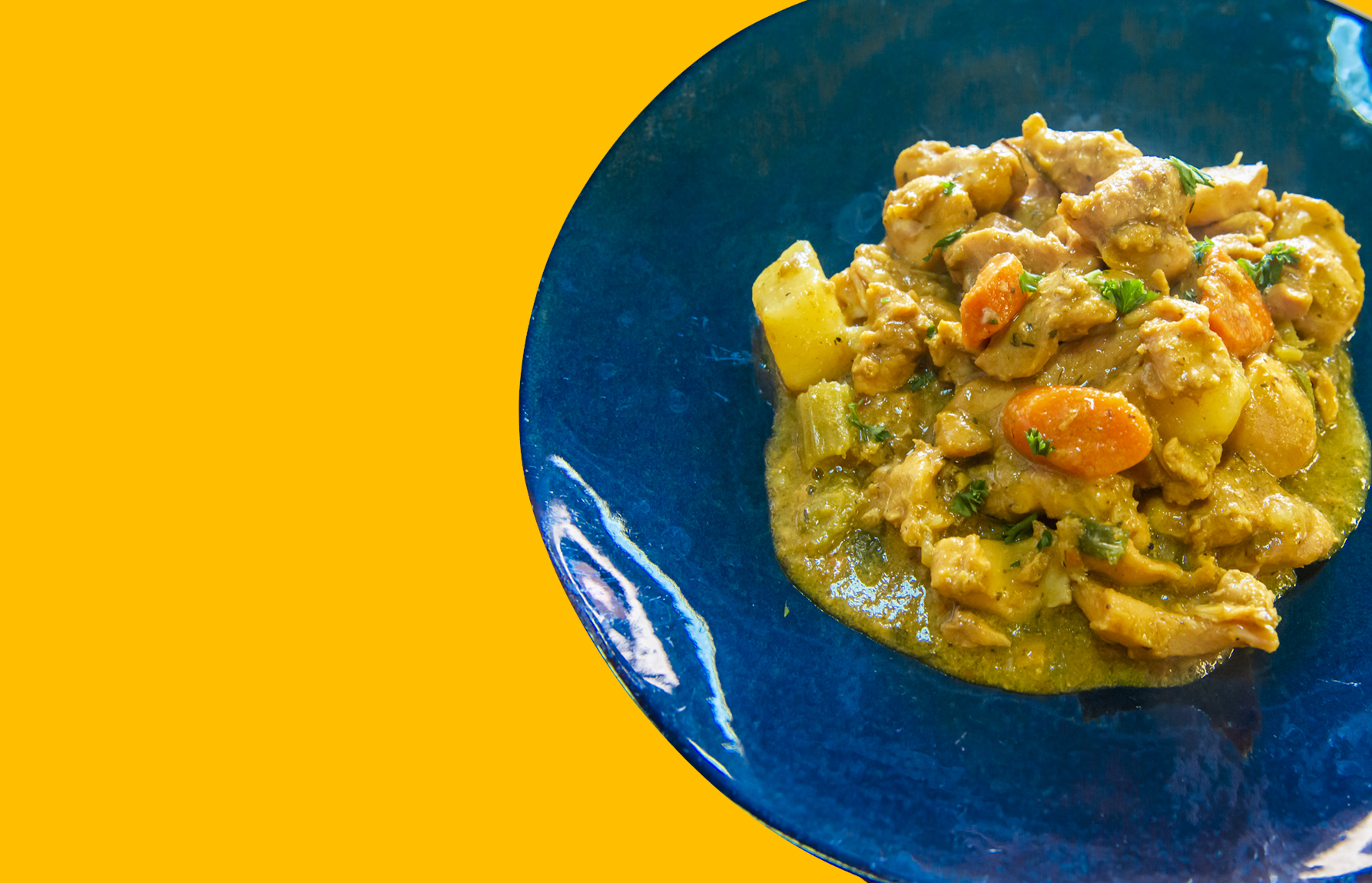
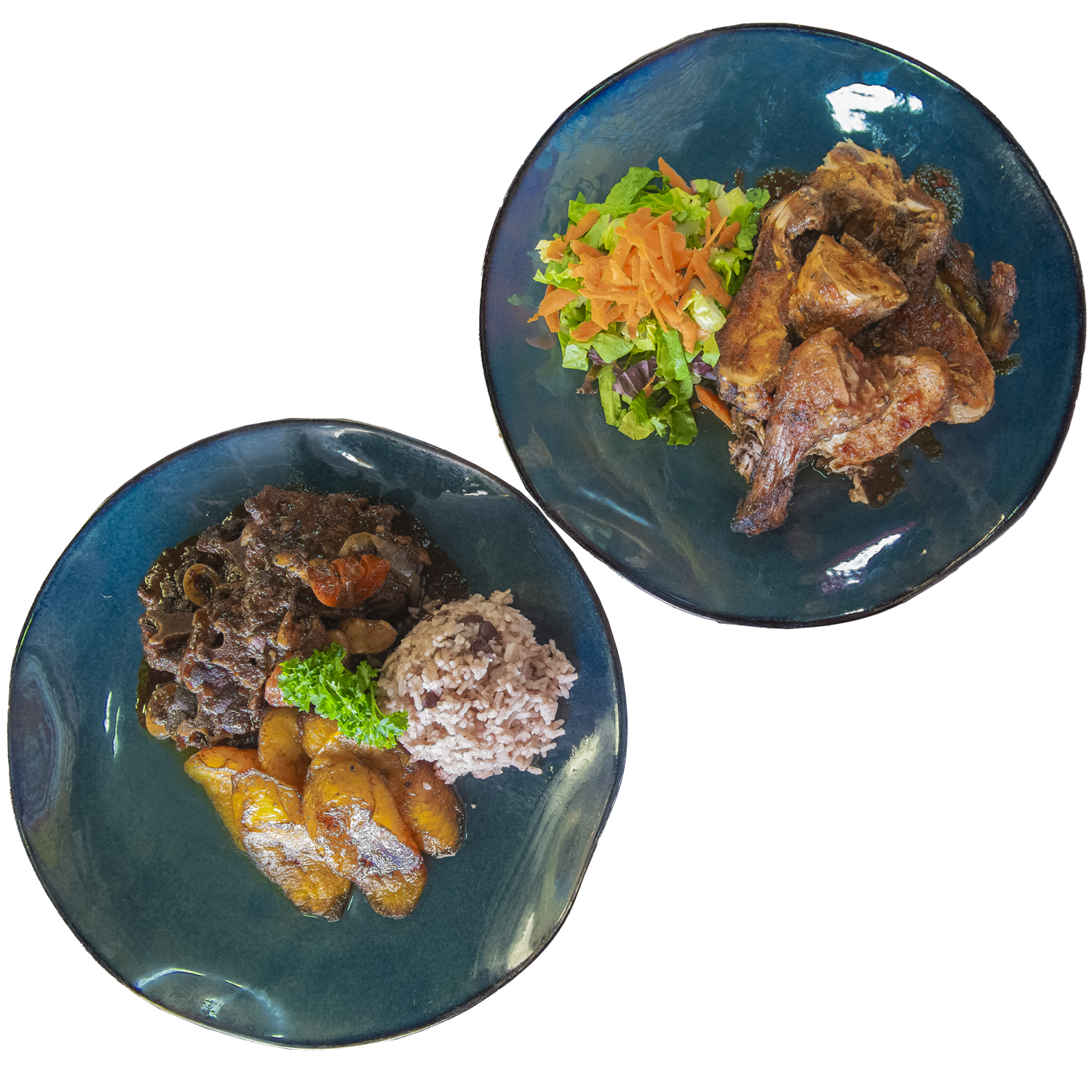
Jamaican food stretches far beyond the grill. Brown stew chicken offers deep comfort, with poultry browned first and then simmered in a gravy built from tomatoes, onions, peppers, and herbs. Oxtail, once considered a thrifty cut, becomes luxurious after a long braise. The meat softens, the bones enrich the sauce, and butter beans absorb all that savoriness. Escovitch fish delivers a different profile entirely, pairing crisp fried fish with sharp pickled vegetables that cut through the richness.
Even breakfast shows range. Ackee and saltfish is unlike anything in most diners’ repertoires. Ackee, when cooked, turns soft and buttery, almost like scrambled egg in appearance but more delicate in flavor. Combined with saltfish, onions, peppers, and herbs, it becomes a dish that is rich, briny, and surprisingly elegant. Pair it with fried dumplings or roasted breadfruit and you get a meal with contrast, heft, and character.
Then there are soups and porridges, which too often get overlooked by outsiders. Jamaican red pea soup, often made with beef or pigtail and finished with spinners, is serious comfort food. Cornmeal porridge, enriched with spices and sometimes condensed milk or coconut milk, carries the kind of morning warmth that stays with you for hours. These are not side notes in the cuisine. They are central expressions of care and practicality.
A cuisine built on contrast
One reason Jamaican food resonates with adventurous eaters is its command of contrast. Good cooking often depends on tension, and Jamaican dishes are full of it. Heat meets sweetness. Crisp meets tender. Fat meets acid. Smoke meets freshness.
Take escovitch fish. The fish itself is often fried until the exterior is crisp and deeply golden. On top comes a sharp tangle of onions, carrots, and peppers, pickled just enough to wake up the whole plate. Or consider festival, the slightly sweet fried dough often served alongside jerk. It tempers heat and adds softness against charred meat. Plantain does something similar. When ripe and caramelized, it brings sugar and silkiness to spicy or savory dishes.
This instinct for contrast is not accidental. It reflects cooks who know how a meal should feel, not just how it should taste. Jamaican plates often account for appetite, climate, and pacing. Heavy dishes get brightness. Fiery elements get starch. Rich meats are paired with fresh slaw, callaloo, or simple vegetables. The best meals feel generous, not exhausting.
For food lovers used to cuisines that rely heavily on one dominant profile, this can be a revelation. Jamaican food has force, but it also has structure.
Street food alone justifies the trip
If a cuisine can be judged by how well it feeds people on the move, Jamaican food does extremely well. The island’s street food and casual food culture are among its greatest strengths. They are practical, affordable, and full of personality.
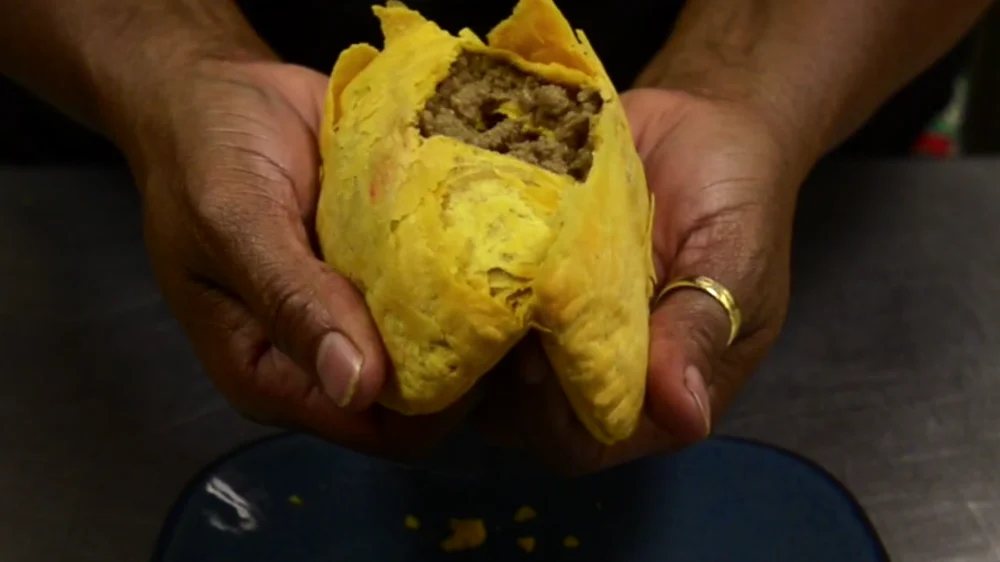
A beef patty is the obvious example, but it is worth dwelling on because a great patty is far more satisfying than its simple form suggests. The crust should be flaky and lightly stained with turmeric. The filling should be moist, well-spiced, and cohesive without turning pasty. Some versions add cheese, some are filled with chicken or vegetables, and the best shops maintain a consistency that borders on obsession. Pair one with coco bread and you have one of the great portable meals.
Then there is pan chicken, often cooked in makeshift roadside drums adapted into grills. The skin blisters and chars, the seasoning penetrates, and the aroma carries down the block. Roast yam sold with a little butter or salt shows another side of Jamaican eating, direct and elemental. Fresh fruit with spice, cane juice, soups served from large pots, and late-night jerk shacks all contribute to a food culture that feels lived-in rather than staged.
What stands out in these settings is the confidence of the cooking. There is no need for gimmicks or over-explanation. A roadside vendor with a coal pan and years of repetition can turn out food with more conviction than many high-end kitchens.
The ingredients are more distinctive than many people realize
Jamaican food is sometimes described in broad strokes, spicy, hearty, tropical, but those words can flatten what is actually a very ingredient-driven cuisine. Certain components show up repeatedly because they define the flavor landscape.
Here are five ingredients that tell you a lot about Jamaican cooking:
Scotch bonnet pepper, prized not only for heat but for fruity aroma. Allspice, or pimento, essential to jerk and many savory dishes. Thyme, used fresh and often generously. Ackee, a singular fruit with a soft, custardy texture when cooked properly. Callaloo, a leafy green central to soups, breakfasts, and side dishes.
These ingredients do more than season food. They establish identity. A cook can vary the protein, the starch, or the technique, but a few sprigs of thyme, a touch of pimento, and the perfume of Scotch bonnet can instantly place a dish within a Jamaican frame.
For cooks outside Jamaica, this is where the learning begins. Not every supermarket carries fresh ackee or pimento wood. Scotch bonnets are sometimes swapped for habaneros, which can work in a pinch but are not quite the same. Dried allspice berries are common, but many people underuse them. Getting closer to authentic flavor often depends less on complexity than on sourcing and restraint. Too much bottled jerk sauce, too much sugar, or too much smoke can throw things off.
It rewards patient cooking
Jamaican cuisine understands time. Some of its best dishes are not fast, and they are better for it. Oxtail needs a long, steady braise. Goat curry improves as the spices settle and the meat softens. Stew peas develops depth as coconut milk, herbs, meat, and legumes mingle. Even jerk, in its proper form, asks for marination and controlled cooking.
That patience speaks to a broader culinary truth. Great flavor often comes from allowing ingredients to transform fully. Jamaican food is full of techniques that turn tough cuts tender, stretch pantry ingredients into full meals, or coax body from bones, beans, and root vegetables. This is the kind of cooking that builds knowledge through repetition. You learn by smell, by texture, by listening to how a pot sounds as liquid reduces.
For serious eaters, that makes the cuisine especially rewarding. It is not just delicious to consume. It is interesting to study. There are decisions everywhere. How much browning sauce is enough in a stew before bitterness creeps in? When should the butter beans go into oxtail so they hold their shape? How much Scotch bonnet gives brightness without drowning the dish? These are small judgments, but they separate a decent plate from an exceptional one.
Sweetness has a place, but it rarely feels cloying
Desserts and baked goods in Jamaican food deserve more attention than they usually get. The best examples show the same balance found in the savory cooking. Sweetness is present, but it is often grounded by spice, texture, or starch.
Rum cake, also called black cake in some contexts, carries serious depth from soaked dried fruit and dark spirits. Gizzada brings coconut into a crisp pastry shell. Sweet potato pudding can be dense, fragrant, and nearly custard-like in the center. Toto, a coconut cake, and grater cake made from coconut and sugar show how local ingredients shape the dessert table. Spices such as nutmeg and cinnamon appear often, but usually as support, not perfume.
Jamaican drinks deserve a mention here too. Sorrel, especially around the holidays, delivers tartness, spice, and refreshment all at once. Irish moss, peanut punch, and fresh juices from soursop or carrot broaden the picture of what Jamaican hospitality tastes like. These are not incidental extras. They complete the meal and reinforce the cuisine’s range.
It has global influence without losing itself
One of the strongest arguments for putting Jamaican food on any serious foodie list is its impact beyond the island. Jamaican restaurants, patties, and jerk spots have become fixtures in cities across the United States, Canada, and the United Kingdom, especially in places shaped by Caribbean migration. The food has traveled widely, but it has not dissolved into vagueness. It remains identifiable.
That is harder than it looks. Many cuisines that globalize end up flattened into a few safe dishes tailored to outside expectations. Jamaican food certainly faces that pressure. Some restaurants tone down the heat. Some sweeten marinades too much. Some reduce entire menus to jerk chicken and rice. Yet the cuisine’s backbone is strong enough to resist complete dilution.
Part of that strength comes from community. Diaspora cooks and restaurant owners have maintained standards, passed down recipes, and kept customer expectations high. If you have ever stood in line at a beloved neighborhood Jamaican spot around lunchtime, you know the crowd will not tolerate weak gravy or underseasoned rice. Regulars know exactly what the dish should taste like.
That continuity matters. It means Jamaican food is not merely popular. It is protected by people who care.
What to order if you want the full picture
If someone is approaching Jamaican food seriously for the first time, it helps to look beyond the most advertised dish. A broader order tells the story better than any single plate.
A strong starting spread might include the following:
Jerk chicken for smoke, spice, and the cuisine’s most iconic seasoning style. Oxtail with rice and peas for richness, braising skill, and comfort. Ackee and saltfish for a taste of the national dish and its distinctive texture. Escovitch fish for acid, crunch, and contrast. A beef patty or festival for everyday eating and street food culture.
What matters is variety. You want to taste the grill, the stew pot, the frying pan, and the pastry case. That is when the cuisine starts to reveal its full range.
The best versions still feel personal
For all its popularity, Jamaican food resists feeling standardized. One cook’s curry goat may be darker and more peppery than another’s. One family’s rice and peas might lean heavily on coconut milk, while another keeps it lighter. Some jerk is wet and deeply marinated. Some is drier and more crusted from the fire. These differences are not flaws. They are evidence of a cuisine still shaped by households, regions, and individual hands.
That personal quality is one reason food lovers keep coming back. The cuisine has signature forms, but it leaves room for interpretation. It invites comparison. It rewards repeat visits. You can spend years eating Jamaican food and still find a version of brown stew fish or pumpkin soup that changes your idea of what the dish can be.
There is also emotional clarity in the cooking. Jamaican food often tastes like someone meant it. The seasoning is assertive. The portions are usually generous. The dishes are built to satisfy rather than impress from a distance. Even when plated simply, they carry presence.
For a foodie, that should count for a lot. Memorable food does not always come from rarity, luxury, or technical theater. Often it comes from cuisines that know exactly who they are. Jamaican food has that certainty. It brings history, technique, ingenuity, and pleasure to the table in equal measure. It can be fiery, soothing, celebratory, economical, and deeply soulful, sometimes in the same meal.
Any serious list of essential food experiences should make room for that. Not as a token of diversity, and not just for jerk, but because Jamaican food stands on its own as one of the world’s most dynamic and satisfying culinary traditions.
Reggae Pot Jamaican Grill
2243 S Monaco St Pkwy #104
Denver, CO 80222
+1 720-410-2956
FAQ About jamaican food
What is the best Jamaican food to try in Denver?
The best choice depends on your tastes. Popular options include jerk chicken, curry goat, slow-cooked oxtail, and savory patties. Reggae Pot lists these dishes on its menu, with sides such as rice and peas and plantains. Ask the Denver team about current availability and spice levels.
Is Jamaican food very spicy in Denver?
Heat varies by dish and preparation. Jerk seasoning often includes scotch bonnet peppers alongside herbs and allspice, while other dishes may have gentler seasoning. Ask about the heat of the specific dish and any sauce before ordering.
What are some popular Jamaican snacks?
Jamaican patties are a popular snack made with flaky pastry and savory meat or vegetable fillings. Other options include fried dumplings and festival, a sweet fried dough often served with savory dishes. Availability varies, so check the current menu when ordering.