Why Do Some Women Manage Symptoms Privately for Years?
During my nine years working within the NHS administrative system, I spent a lot of time looking at waiting lists. I saw names on spreadsheets that had been there for months, sometimes years. Behind every one of those entries was a person—often a woman—who had been living with symptoms that were slowly eroding their quality of life, yet they were waiting for a "proper" appointment to validate their experience.
When we talk about the stigma in healthcare, we often look at the big, systemic issues. But the real story happens in the quiet moments: the woman who stops mentioning her migraines because she’s been told her blood tests are "normal," or the professional who pushes through chronic insomnia because she doesn’t want to be a "bother" at her local GP surgery. This isn't just about healthcare access; it’s about a cultural legacy where women are expected to absorb discomfort as a baseline condition of life.
The "It’s All in Your Head" Fatigue
One of the most pervasive barriers to early intervention is the subtle (and sometimes overt) dismissal of female symptoms. In my time managing referrals, I saw it constantly. Women would present with vague, systemic symptoms—fatigue, hormonal imbalances, gut issues—and because these don't always show up on a standard, basic-level blood panel, they are often relegated to the "lifestyle" category.
When a patient is repeatedly told that their symptoms are caused by "chronic stress" without being given a tangible path to regulate their nervous system, they eventually stop asking. This is the origin of the lack of support cycle. It leads women to manage their symptoms privately—not because they don’t want medical help, but because they have lost faith in the traditional gatekeeping process.
The Anatomy of "Private Management"
Most women I speak to who manage their health privately aren't doing it because they’re anti-medicine; they’re doing it because they are exhausted by the administrative burden of healthcare. They are self-medicating with supplements, overhauling diets, or practicing nervous system regulation techniques like breathwork and cold exposure. While these are excellent wellness habits, they shouldn't be a substitute for clinical diagnostics.
The Shift Toward Digital Continuity
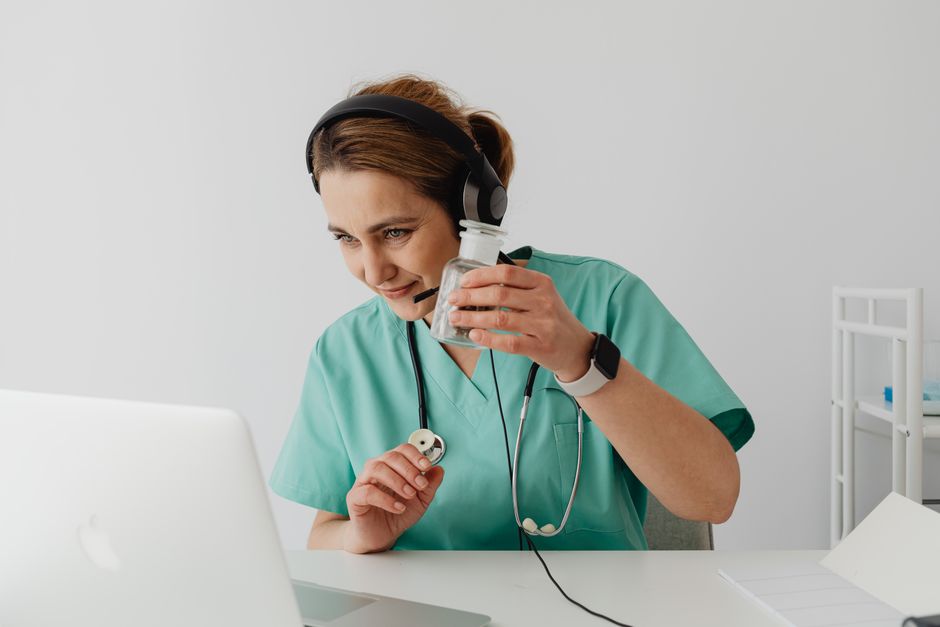
We are finally seeing a change in how women access care, and it is largely driven by technology. Digital healthcare convenience has become more than just a luxury—it’s a necessary bridge for those who have been burnt by the "10-minute appointment" model. When you have a chronic issue, continuity is king. You don’t want to explain your history to a different doctor every time you walk through the door.
Tools like Bookvibe have become essential for patients who need to streamline their management. By keeping clinical interactions organized, patients can track their history effectively, ensuring that when they finally do see a specialist, they have a clear record of what they’ve tried, what failed, and what worked. It shifts the power dynamic from the patient "begging for answers" to the patient "presenting data."
Virtual Specialist Appointments: A New Standard of Oversight
The rise of virtual specialist appointments has been a lifeline, provided we are careful about where we seek that care. It is no longer necessary to take a half-day off work just to sit in a drafty waiting room. However, there is a caveat: convenience must never override clinical safety.
When looking at specialized clinics—for example, those offering medicinal cannabis treatments like Releaf—it is crucial to understand that these aren't "easy fixes." They are highly regulated, specialist-led pathways. In the UK, any clinic providing such care must be registered with the Care Quality Commission (CQC). The CQC is the independent regulator that checks if health and social care services meet fundamental standards of quality and safety. If a digital clinic isn't CQC-registered, my advice as an admin who has seen the "underbelly" of health data is simple: close the tab.
Comparison: Traditional NHS vs. Digital Specialist Models
Feature Traditional NHS Pathway Digital Specialist Pathway Accessibility High barriers; GP referral required. Direct access; self-referral possible. Continuity Variable; different GPs often involved. High; consistent specialist monitoring. Regulation NHS Oversight. CQC Registered (ensure this!). Wait Times Often lengthy. Usually rapid.
Why Regulation Matters (and Why "Miracle Cures" Are Dangerous)
I have a visceral reaction to marketing that promises "miracle cures." In my wellness journalism, I try to cut through the fluff because, in the real world, biology is messy. There is no silver bullet for chronic stress or complex hormonal conditions.
When we discuss treatments—whether it’s hormone therapy, specialized diet protocols, or medicinal cannabis—there is a tendency for the internet to gloss over the "clinician oversight" part. Please, do not fall for that. Regulation exists to protect you. When you use a digital platform, ensure there is a clear chain of command: a doctor who reviews your medical history, a pharmacist who dispenses your medication, and a follow-up process that tracks your actual outcomes.
Prioritizing Long-Term Wellness Over Quick Fixes
The reason women manage symptoms privately for years is often a desperate search for sustainability. We are living in an era of chronic stress and lifestyle pressure, where the expectation to perform at home and work leaves little room for the "nervous system regulation" we actually need. We are essentially trying to run a marathon while wearing lead boots, and then blaming ourselves when we get tired.
To move forward, we need to change how we define women’s health conversations. We need to stop framing health as "fixing a broken part" and start framing it as "maintaining a complex system."
Map your symptoms: Keep a digital or physical log of when symptoms occur. Are they linked to your cycle? Your workload? Your sleep quality? Verify the credentials: Before booking an online consultation, check the CQC website. If the provider isn't listed, move on. Demand continuity: If you are managing a long-term condition, look for services that provide a dedicated point of contact rather than a rotating roster of clinicians. Advocate for your own privacy: Digital health allows you to store your records securely. Use these tools to your advantage so you don't have to re-explain your trauma or your history to every new person you meet.
Final Thoughts: Taking the Reins
The fact that you are reading this suggests you are likely tired of waiting for the system to validate your burnout recovery tips struggle. That is the first step toward reclaiming your health. Managing symptoms privately doesn't have to mean "going it alone." It means using the digital tools available to create your own, bespoke care team—one that is regulated, safe, and focused on your long-term wellness rather than a 10-minute, box-ticking exercise.
You have the right to demand more than just "fine" or "normal" test results. You have the right to a health journey that is as sophisticated and complex as you are. Use the digital tools, check the regulations, and keep the conversation going. It’s the only way we stop the cycle of silence.
Disclaimer: I am a former NHS administrator and advocate, not a doctor. This information is for educational purposes and should not replace professional medical advice. Always consult with a registered medical professional before making significant changes to your health regimen.
